Multi-Criteria Optimization of Main Gas Pipeline Routing in the Preliminary Economic Feasibility Study of the Gas Transmission System in Eastern Republic of Srpska, Bosnia and Herzegovina
Dejan Branković1,*, Valentina Janičić-Milovanović2 and Zdravko Milovanović1
1Department of Hydro and Thermal Engineering, University of Banja Luka, Faculty of Mechanical Engineering Banja Luka, Stepe Stepanovića71, Banja Luka, Republic of Srpska
2Construction Institute Banja Luka, 78000 Banja Luka, Republic of Srpska
E-mail: dejan.brankovic@mf.unibl.org; valentinajm@institutbl.com; zdravko.milovanovic@mf.unibl.org
*Corresponding Author
Received 23 September 2025; Accepted 04 November 2025
Abstract
Energy infrastructure projects follow a clearly defined life cycle that includes decision-making phases based on the analysis of technical, economic, and environmental criteria. Within the process of planning and constructing transmission gas pipelines, route selection represents a key step that significantly affects construction costs, implementation duration, and system reliability. This paper applies a multi-criteria decision-making (MCDM) approach to determine the optimal gas pipeline route variant, simultaneously considering economic, environmental, technical, and social criteria. The decision model is based on the definition of criteria and sub criteria, their weighting, and the evaluation of alternative routes. Model verification was conducted on the example of a transmission gas pipeline route in the eastern part of the Republic of Srpska, using available spatial planning and technical data. The results confirm that the application of the MCDM approach enables a more rational, transparent, and reliable route selection in the stage of the preliminary economic feasibility study.
Keywords: Transmission gas pipeline, multi-criteria optimization, MCDM, economic feasibility, route selection.
1 Introduction
Gas pipelines represent infrastructural systems equipped with the necessary components and devices to fulfil their primary function (intake, transport, and delivery of gas) with minimal losses and maximum economic efficiency. The system as a whole consists of gas production facilities, pipelines for gas transport and distribution, computerized stations and control centres, gas storage tanks, maintenance service centres for pipelines, and similar components. Among these, the transport and distribution pipeline stand out as the most extensive part, often referred to as the “linear” facility, and it receives the greatest attention during both design and construction. The design cycle of such pipelines includes several phases, notably: programming, identification, formulation, implementation, and monitoring and evaluation. For demanding projects, such as the execution of this investment project, the process is often further divided into additional phases to facilitate implementation and oversight.
From the project owner’s (investor’s) perspective, the main phases include: the idea of the need for construction and project planning, feasibility studies (Pre-feasibility study and Feasibility study) and consulting, design (preparation of project documentation in accordance with the law on spatial planning and construction), preparation and announcement of tenders for equipment procurement, procurement of equipment and above-ground facilities, materials, and contracting of services, construction (including installation and personnel training for pipeline operation), handover and commissioning (with parallel training of operating personnel), operation (regular use or exploitation) and maintenance, and decommissioning and recycling of facilities at the end of their life cycle (removal of facilities with the accompanying land restoration plan). When assessing the economic, ecological, and other impacts of a project, all phases of the project’s life cycle are considered. For defining the Net Present Value (NPV) of the project, key elements include: costs of equipment and construction, costs of gas transport and distribution, revenues from the sale of natural gas and other investor-provided services, and the residual value of the project at the end of its life cycle. Sometimes, the project owner considers the project complete immediately after commissioning, once a new permanent organizational structure is established (for example, a subsidiary within a mixed holding company and new project-related relationships). The project perspective of other participants differs somewhat. The life cycle of an energy-process infrastructure gasification project is shorter from the perspective of subcontractors performing assembly works, covering only preparation and execution of assembly work and commissioning, including load testing, along with warranty servicing for quality assurance of completed works.
The initial (preparatory) phase involves defining the idea and vision of the project’s need and justification (study considerations at the level of a general plan and conceptual design), including processes of selecting methods and technologies, planning and modelling, resource cost calculation and evaluation, and identifying sources of financing.
The second, implementation phase of the energy project includes processes of assembling and organizing the project team, analysis, optimization, and decision-making, solving operational problems, contracting for the procurement of equipment and facilities, supporting materials, works, and other services, with task execution monitoring and final handover of the completed project.
The third, final phase involves evaluating the results of the completed project (trial operation), project processes and efficiency, and investor satisfaction, as well as evaluation, collection, and implementation of knowledge for future application (design based on analogies).
The gasification project for the eastern part of the Republic of Srpska, which includes the expansion of the distribution network in the municipalities of Istoèno Novo Sarajevo and Istoèna Ilidža (with reconstruction of the Toplana – INS a.d. Istoèno Novo Sarajevo) and gasification of the municipalities of Pale-Trnovo, the Olympic center Jahorina, Šekovići, Vlasenica, ski center Igrišta, Milići, and Han Pijesak, falls under the jurisdiction of the Ministry of Spatial Planning, Construction, and Ecology of the Government of the Republic of Srpska for issuing environmental and construction permits, as well as usage approvals. The new part concerning the expansion of the distribution network in the municipalities of Istoèno Novo Sarajevo and Istoèna Ilidža includes: gasification of the new Primary School (Centar 3) in Istoèno Novo Sarajevo, gasification of the Toplana boiler house in Istoèna Ilidža (NPL Boiler House), gasification of the Radulovac business zone in Istoèna Ilidža, as well as connecting the municipalities of Istoèno Novo Sarajevo and Istoèna Ilidža to ensure reliable supply to users [1]. The main objective of the analysis is to determine which option is most favorable for implementing the gasification project in these areas, considering the planned reconstruction and expansion of the distribution network in the municipalities of Istoèno Novo Sarajevo and Istoèna Ilidža, construction of new gasification infrastructure (distribution gas networks), and later exploitation of the built infrastructure for gas distribution to business entities (public institutions and industry) and residents (residential sector), as well as for electricity generation via cogeneration/trigeneration plants [2].
Immediately after determining the micro-location and selecting the basic elements of the considered distribution pipeline routes with associated above-ground equipment and fittings (hereafter referred to as the pipeline), and after reviewing all geological, hydrological, infrastructural, and other conditions, the process of selecting the optimal pipeline route begins. This includes locations for regulating, block, and launching/receiving-cleaning stations (main metering-regulating station – GMRS, metering-regulating station – compressed gas station MRS-KPG, and metering-regulating odorization stations – MROS) with corresponding inlet and outlet pipelines up to the valve in the transmission station, representing the layout plan of primary and auxiliary equipment within its area. Route selection is the main component of the gasification system for the municipalities in the considered eastern part of the Republic of Srpska, one of the two entities of Bosnia and Herzegovina. In equipment and facility selection, it is necessary to provide adequate cathodic protection for steel pipes, polarization cells, and grounding, along with construction of road connections, power line and district heating line extensions to the boiler house, temporary fuel and technical gas storage, material and equipment storage, etc.
Multi-Criteria Optimization (MCO) represents a methodological framework that enables the simultaneous consideration of multiple, often conflicting objectives and constraints in the decision-making process. In the context of energy infrastructure projects, such objectives frequently involve trade-offs among technical, economic, environmental, and social aspects. A typical example is the conflict between minimizing construction costs and minimizing environmental impacts, or between maximizing technical safety and minimizing deviation from existing infrastructure and settlements.
By applying multi-criteria optimization in the planning and design of gas pipeline routes, it becomes possible to integrate various spatial, technical, and unstructured factors – such as topography, geological composition, hydrology, existing settlements, land use, and boundaries of protected areas. This integration enables the quantification of trade-offs between technical efficiency, cost-effectiveness, and socio-environmental acceptability, generating the so-called Pareto front of solutions – a set of alternative routes representing optimal trade-offs among criteria. Each of these routes offers a different balance between cost, safety, ecological, and social constraints, while the selection of the final solution depends on the decision-maker’s defined preferences and priorities.
In the process of evaluating and selecting alternative routes, multi-criteria decision-making (MCDM) methods are applied, providing a systematic framework for assessing and ranking alternatives based on defined criteria and their relative weights. The key functions of the MCDM approach in this context include:
• Structuring the decision problem, which involves identifying objectives, criteria, and potential alternatives;
• Determining the weights of criteria, expressing the relative importance of individual factors (economic, environmental, technical, social);
• Quantifying preferences, i.e., transforming qualitative aspects (e.g., environmental risk, social impact, landscape aesthetics) into numerical indicators;
• Ranking alternatives, determining the order of routes according to their overall justification score, most commonly using methods such as AHP, TOPSIS, VIKOR, PROMETHEE, or ELECTRE;
• Sensitivity analysis, examining the stability and robustness of solutions in relation to changes in criterion weights and input parameters.
Under the specific conditions of the eastern part of the Republic of Srpska, multi-criteria optimization aims to balance economic, technical, and spatial requirements within a complex geomorphological and infrastructural environment. This includes mountainous terrain, dispersed settlements, and limited spatial development opportunities, which require special attention during the definition of corridors and access points. The objective of the optimization process is to:
• minimize construction and land expropriation costs;
• reduce environmental risks, particularly in the zones of rivers, watercourses, forests, and protected areas;
• maximize accessibility to markets and industrial consumers;
• ensure integration with existing and planned transport corridors (roads, transmission lines, energy systems); and
• enhance the safety and operational reliability of the planned gas pipeline system.
In this way, MCO and MCDM approaches enable the development of a transparent, reproducible, and technically grounded decision-making process that supports the formulation of optimal decisions in the early planning stages – particularly within preliminary studies of the economic feasibility of gas pipeline system construction.
2 Basic Terms, Definitions and Concepts
Energy infrastructure, in a narrow sense, is defined as a set of energy facilities interconnected to form a unified and functional technical-technological system. One way to classify energy infrastructure is based on the type of energy source produced, processed, transported, or distributed through the system [3]. Energy sources include coal, natural gas, oil, oil derivatives, oil shale, renewable, and other energy sources. Based on this criterion, energy infrastructure can be divided into [4, 5]:
• Electricity networks, including generation plants, transmission networks, and local distribution;
• Natural gas pipelines, including storage and distribution terminals, as well as local distribution networks;
• Oil pipelines, including storage facilities and distribution terminals (some authors also include oil wells and refineries);
• Specialized coal facilities, where coal is washed, stored, crushed, transported, as well as coal mines;
• Networks for the production and distribution of steam or hot water for heating a given area with associated substations; and
• Networks for powering electric vehicles.
Gas pipelines are infrastructural systems equipped with the necessary components and devices to transport gas. They consist of gas production systems, pipelines for transport and distribution, computerized stations and control centres, gas storage tanks, maintenance service centres for pipelines, and similar components. From an engineering perspective, the most extensive part of a gas pipeline is the transport and distribution pipeline. Consequently, during the design and construction of a pipeline, the greatest attention is given to the pipeline as a linear facility [5]. The primary goal of building a gas pipeline network is to ensure the supply of gas as an energy source. Depending on the specific technological requirements that pipeline systems must meet, their technological characteristics vary and are unique for each facility. The technological structure of a gas pipeline depends on the requirements imposed on the pipeline system. The concept of a gas pipeline with associated above-ground infrastructure should be based on proven technical solutions with sufficient references regarding availability and operational experience within gas pipeline networks. Natural gas transport and management of the transport system are performed as activities of general interest. A natural gas transport network consists of pipelines with a working pressure above 16 bar. A part of the network where the working pressure of natural gas ranges between 6 and 16 bar can also be considered part of the transport network. In case of disputes regarding whether a network with a working pressure between 6 and 16 bar, belonging to a vertically integrated energy entity, is part of the transport network, the decision is made by the Regulatory Commission for Energy of the Republic of Srpska. The transport system operator is obliged, with the consent of the Regulatory Commission, to establish operational rules for the natural gas transport network, which include, in particular: rules for access to and use of the natural gas transport network; rules for connecting to the natural gas transport network; procedures for resolving disputes regarding congestion of transport capacities; procedures in cases of regular and emergency maintenance of the network; conditions for suspension, limitation, or interruption of natural gas supply in case of accidents; methods for providing auxiliary services; consequences of improper performance or non-performance of contractual obligations by the customer; functional requirements and accuracy class of measuring devices; and methods for measuring natural gas.
A transmission gas pipeline, as an infrastructural system, serves for the production, transportation, and/or distribution of natural gas from one location to another. Consequently, the system extends over long distances, and its infrastructural components exhibit a length significantly greater than the other two dimensions – thus assuming the characteristics of a linear infrastructure facility that extends through space along a precisely defined route. Accordingly, the selection of the optimal land corridor for the alignment of linear infrastructure facilities becomes a primary task during the preparation of project documentation for infrastructural systems – particularly at the stages of the Economic Feasibility Study, Conceptual Design, Main Design, and Construction Design, whose preparation is, according to the legislation of the Republic of Srpska, mandatory for newly constructed infrastructure projects.
The process of planning and designing linear infrastructure facilities consists of the successive investigation and selection of the optimal corridor (study-level analysis), followed by the determination of the optimal route alignment within that corridor (Conceptual and Main Design stages). In practice, this involves developing alternative solutions, evaluating these alternatives, and selecting the most favourable one – a procedure fundamentally similar to the multi-criteria optimization (MCO) approach used for discrete systems. A schematic overview of the land corridor selection process for linear infrastructure facilities, depending on the design phase, is presented in Figure 1.
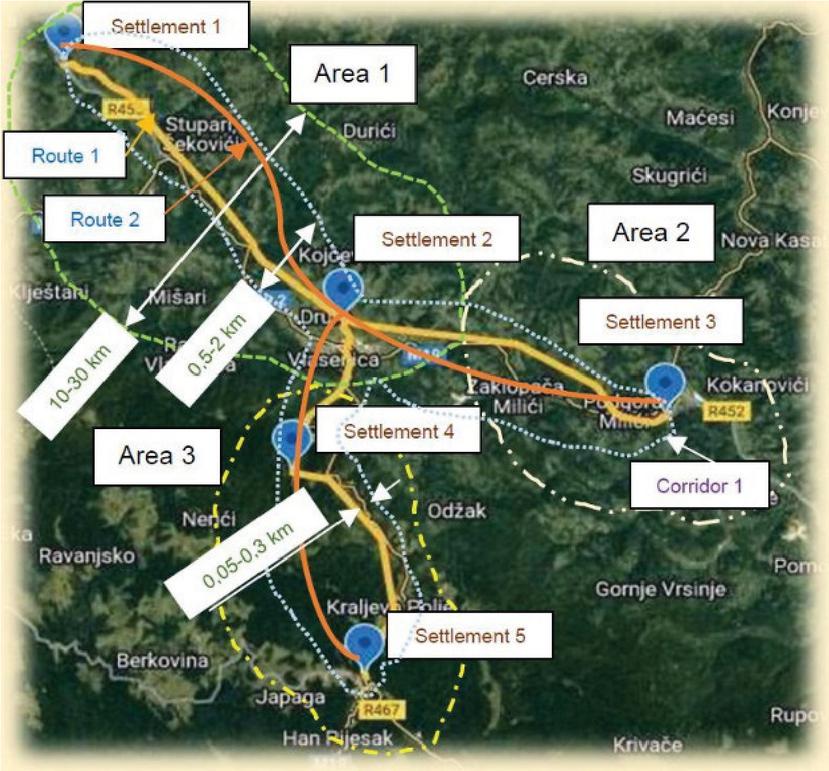
Figure 1 Selection of linear infrastructure facility locations depending on the design phases.
Developing alternative solutions during the planning and design of linear infrastructure systems requires the designer’s creativity, while ensuring compliance with the investor’s specified criteria, as well as the functionality and technical feasibility of the facility throughout its operational and potentially extended service life. For these reasons, study-level analyses typically include multiple corridor variants, from which the optimal route alignment is selected based on the evaluation of parameter values according to defined criteria.
3 Overview of Previous Research
The existence of difficulties in evaluating certain ecological and social impacts of developing new energy facilities, combined with the large number of possible location alternatives, requires the application of multi-criteria analysis methods rather than relying solely on conventional cost–benefit analysis. To ensure a wider range of acceptable location alternatives, the identification of possible criteria (elimination criteria and comparison criteria) is of particular importance. These criteria must fundamentally satisfy elements of sustainable development – economy, environment, energy efficiency, and society [6].
Methods and techniques supporting decision-making processes fall into two classes: multi-criteria analysis and optimization (MCA and MCO) and social choice theory (SCT) [7]. The first class includes methods and algorithms that address problems with multiple criteria and alternatives, with decision-making processes conducted individually, in subgroups, or as a collective group. Depending on the problem setup and especially the definition of the global objective, there are simpler solution methods known as non-compensatory (e.g., domination, max–min, max–max, conjunctive, and disjunctive) and more complex ones, known as compensatory methods (e.g., utility, consensus, compromise). When decisions are made in a group, individual decisions can be mathematically aggregated in various ways. In the SCT class, decision-making models employ voting techniques typical of electoral processes with many participants, e.g., in irrigation system user associations, river basin committees, farmers’ associations, etc. There are preferential and non-preferential choice models, which share the characteristic that in the context of systems analysis, multiple criteria are synthesized a priori so that the decision-maker (voter) does not explicitly express the weights of individual criteria (as in MCA and MCO models). SCT models are increasingly applied in water management and agricultural decision-making, both individually and in combination.
The use of multi-criteria decision-making methods aims to assist decision-makers when there is a large set of alternatives for the problem at hand. The process of selecting the optimal solution during energy facility design is inherently multi-criteria, requiring consideration of multiple factors and interests of various social groups (often conflicting), with the involvement of multiple stakeholders in the decision-making process [8]. The challenge is how to reconcile all these criteria, given different preferences and frequently conflicting interests. In the selection of alternative solutions for energy facilities, the ideal scenario would classify all criteria into two categories: a profit category, where criteria are maximized (though not necessarily financial profit), and a cost category, where criteria are minimized. The ideal solution would maximize all profit criteria and minimize all cost criteria, which is rarely achievable in practice. Since an ideal solution is generally unattainable, one seeks so-called non-dominated solutions (a solution is dominated if there exists another solution that is better in at least one attribute and at least equal in all others). A third category consists of satisfactory solutions, which form a reduced subset of possible solutions. Finally, desirable solutions are non-dominated solutions that best meet the decision-maker’s expectations. In principle, two groups of methods are distinguished: simple non-compensatory methods for simpler decisions and more precise compensatory methods for complex decisions. Based on the three most common types of multi-criteria problems, one can distinguish multi-criteria optimization (single solution), multi-criteria ranking (ranked multiple solutions), and multi-criteria sorting (separating good from poor solutions into a subset for further problem-solving) [9]. In practice, a finite set of alternatives (decisions, actions, potential solutions) is considered – usually not exceeding four – where each alternative is described by multiple criteria (attributes, indicators). In the specific case of the main pipeline route selection, alternatives and criteria are organized in a matrix form. Each criterion is either of maximization (max) or minimization (min) type, with representing the value of the i-th alternative according to the j-th criterion, and representing the weight of the criterion (its importance) [10].
The selection of an appropriate pipeline route and its main parameters represents a key element of any conventional natural gas exploration and transport operation. An incorrect route choice can result in pipe failures, gas leakage, accidents, and environmental hazards. Complex terrain requires identifying feasible route alternatives that minimize installation and material costs. Over the past few decades, numerous pipeline optimization techniques have been developed. The objective of system optimization is to select the best alternative from a range of possible or favourable alternatives based on adopted criteria and constraints. This alternative is called the optimal solution to the optimization problem and represents a compromise between desired outcomes (criteria) and feasible conditions (constraints). The criterion is typically expressed as an objective function, which for the best alternative should reach a global extremum, considering constraints that affect the possibility of achieving the optimization goal. Various methods are used for system optimization depending on the type of relationships in the objective function and constraints in the mathematical model. To simplify problems, the quantity to be optimized is usually represented as a linear function of other variables, assuming that the constraints are also linear functions.
Optimization methods can be categorized according to different aspects. From the perspective of constraints, there are unconstrained optimization methods and constrained optimization methods. Additionally, optimization techniques are distinguished as classical (deterministic) and stochastic (evolutionary), as shown in Figure 2.
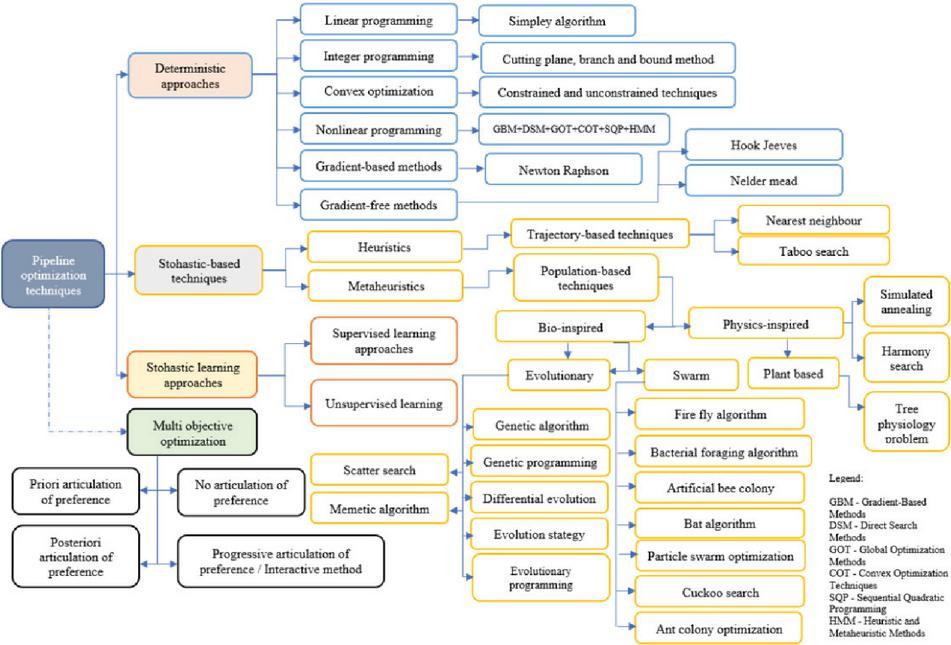
Figure 2 Optimization techniques.
In deterministic optimization, it is assumed that the data for a given problem are precisely known. However, for many real-world problems, the data cannot be known exactly for several reasons. The first reason is simple measurement error. The second and more fundamental reason is that some data represent information about the future (e.g., product demand or future prices) and cannot be known with certainty. In stochastic optimization, uncertainty is incorporated into the model. Robust optimization techniques can be used when parameters are only known within certain bounds, with the goal of finding a solution that is feasible for all data and optimal in some sense. Stochastic programming models acknowledge that the distributions of values governing the data are either known or can be estimated, and the objective is to find a policy that is feasible for all (or nearly all) possible data instances while optimizing the expected performance of the model.
In cases where important decisions are being considered, multi-criteria optimization (MCO) problems are characterized by a relatively large number of criteria. The greater the number of criteria, the more complex and challenging the analysis tasks become. A larger number of individuals or groups participate in the decision-making process, each favouring their own value systems or criteria that best reflect the interests of the group to which they belong. For more efficient decision analysis and identification of a suitable solution, criteria are often grouped.
The task of MCO is to assist the decision-maker in selecting the solution they consider best for the given problem. Therefore, efforts to solve the posed multi-criteria problem are often referred to as multi-criteria analysis.
Table 1 provides an overview of references with brief descriptions that address specific issues related to the application of multi-criteria optimization in linear infrastructure projects.
Table 1 Overview of references with brief descriptions addressing specific issues in the use of multi-criteria optimization for linear infrastructure projects
| Author (Year of | ||
| Publication) | Reference | Short Description |
| D. De Wolf (1992) | [11] | One of the first works on natural gas network optimization (the objective to be minimized was the sum of investment and operating costs). |
| I. Hot (2014) | [5] | In this paper a complex model that characterizes multi-actor and multi-criteria approach based on the evaluation criteria grouped in a proper hierarchy whose relevance was verified by scientific methods. Valuation method chosen is an intelligent approach using the decision tree. The model predicts, and a sensitivity analysis of the selected optimal solution to weight change some (or all) of evaluation criteria. |
| LJ. Kuzović et al. (2015) | [12] | When analysing the suitability of applying multi-criteria ranking of project variants of roads, emphasis is placed on the risk that the action of subjective factors, when determining the relevant criteria and their relative weights, can manipulate the ranking result. |
| S. Opricović (1998) | [13] | It provides an extensive overview of the application of multi-criteria methods in the selection of the optimal system solution in construction. Purposeful decomposition can be applied to a multipurpose system when one or several purposes are considered separately. In the engineering practice of system planning, the approach of “discrete models” is used when, instead of creating a comprehensive mathematical model, variant solutions are designed. The optimization model helps the decision-making process by enabling the analyst to connect all data and relationships in a given situation, and the result should enable the choice of the best (optimal) alternative, overcoming all the complexities of the task. |
| T. Zelenović Vasiljević (2011) | [14] | It provides a complex model of Geographic Information System (GIS) application in combination with MCO methods. Many complex models of application of MCO methods have been developed in the world. |
| T. Poletan (2005) | [15] | A multi-criteria analysis model of the competitiveness of the Pan-European Corridor of the UK was developed, taking into account the supply conditions (competitiveness of transport and traffic services), demand conditions (comprehensiveness of service user requirements), and environmental conditions (presence of market competition of alternative transport routes). |
| Murat, Y. Ş. Murat, O. Kulak (2005) | [16] | When choosing a road route, they state the importance of the Axiom of Sufficient Information, as another axiom of designing using axiomatic principles. |
| N. Tunalioglu, T. Öcalan (2007) | [17] | In three-dimensional modelling and evaluation of road corridor variants, genetic algorithms were used. |
| F. Yakar (2011) | [18] | In his doctoral dissertation, the author provides a complex model for the selection of road corridors with the help of GIS and the AHP method, which also gives importance to ecological evaluation criteria. |
| S. Demircan (2009) | [19] | Various models are given based on the application of many existing methods of multi-criteria selection and evaluation of variant spatial solutions of infrastructural facilities, whether it is about roads, water supply or power networks. |
| M. Kosijer, M. Ivić, M. Marković, I. Belošević (2012) | [20] | |
| M. V. Lisboa, J. Waisman (2006) | [21] | |
| A. Puška (2011) | [22] | |
| D. Toraman (2009) | [23] | |
| D. Mihajlov (2016) | [24] | The contribution of research results in the doctoral dissertation is reflected in a new approach to determining the annual values of noise indicators in the environment using multi-criteria decision-making for the selection of a measurement strategy, with the possibility of application at the national and European level. Detailed calculations are carried out using the PROMETHEE measurement strategy selection optimization algorithm, and the obtained results are checked and confirmed using the “Visual PROMETHEE” software package in the case of all measurement sites. |
| Z. Milovanović et al. (2021) | [8] | This paper provides a brief description of the more important methods, along with an analysis of their advantages and disadvantages, as well as the possibility of applying them to solve the specific problem of choosing a micro location for TPP. Starting from the application of the modified multi criteria method for determining the priorities between individual alternatives for ranking and selecting the optimal micro location within a certain macro location within a predetermined framework, in a decision situation involving a number of decision makers of different specialty, examples of micro location selection for new thermal power facilities of TPP Stanari are given, TPP Gacko 2 and TPP Ugljevik 3, with preliminary definition of elimination criteria and criteria for comparison of locations of given TPPs. |
| Z. Milovanović et al. (2011) | [25] | Article considers usage of optimization method regarding the selection of optimal concept of facilities of SHPP (Small Hydro Power Plants) from the point of view of selection of options within already defined space. For selected qualitative and quantitative characteristics relative ponder (weighted) coefficients are set through the mixture of AHP (Analytical Hierarchical Process), Saaty- scale and primary defined parameters. Within specified problem we deal with alternatives which are defined through qualitative criteria, without precise parameters which gives an impression that existing multi criteria method should be adjusted for solving such problems of ranking alternative solutions by gradual reduction of prior starting multi criteria. Described optimization method is applied on selection of system of Small Hydro Power Plants on Suceska River as part of Drina River that was later designed, constructed and initiated into regular exploitation. The second part considers the problem of determining the micro-locations Small Hydro Power Plants (SHPP) Suceska installed power 2 x 1, 015 MW. |
| Z. Milovanović et al. (2011) | [26] | The comparative analysis was carried out by comparing pre-defined indicators, where topographical conditions, required space and occupation of space, seismicity, coal delivery conditions, ash and slag shipping and depositing conditions, water supply conditions, power grid connection conditions, road connection conditions, environmental criteria, economic conditions and general social justification and development were considered, with the assumption that the most favourable technical-technological option was chosen for each specific micro location. solution. For selected qualitative and quantitative characteristics, relative weight coefficients are determined by a combination of analytical hierarchical process, Saaty’s scale and primarily defined values. In the specific problem, we work with three alternatives, which are defined by qualitative criteria, with imprecise values, which leads to the idea that the existing multi-criteria methods should be adapted to solving such problems of ranking alternative solutions in the sense of gradually reducing the initial multiple criteria. |
| Z. Milovanović et al. (2011) | [27] | The comparative analysis was carried out by comparing pre-defined indicators, where topographical conditions, required space and occupation of space, seismicity, coal delivery conditions, ash and slag shipping and depositing conditions, water supply conditions, power grid connection conditions, road connection conditions, environmental criteria, economic conditions and general social justification and development were considered, with the assumption that the most favourable technical-technological option was chosen for each specific |
| micro location. solution. For selected qualitative and quantitative characteristics, relative weight coefficients are determined by a combination of analytical hierarchical process, Saaty’s scale and primarily defined values. In the specific problem, we work with three alternatives, which are defined by qualitative criteria, with imprecise values, which leads to the idea that the existing multi-criteria methods should be adapted to solving such problems of ranking alternative solutions in the sense of gradually reducing the initial multiple criteria. | ||
| Z. Milovanović et al. (2024) | [10] | Within this paper, an example of the analysis of the Trusina wind park, located on the mountain ridge of the same name on the border of the local communities of Nevesinjeand Berkovi ìci, Republic of Srpska – Bosnia and Herzegovina, is given. Theme amusement campaign and a more detailed analysis of the collected data from all measurement stations in Bosnia and Herzegovina will be of great importance and will serve in determining the most favourable locations for the installation of production capacities based on wind energy. The conducted analysis of wind potential on the example of the Trusina mountain ridge represents a small contribution to solving this issue. |
| Z. Milovanović, S. Dumonjić-Milovanović (2015) | [9] | Inside this paper the algorithm of phase method for coal burning TEP location selection is described. Through fulfillment of the first phase, the eliminating criteria for selection are being determined. Those criteria are result of legal legislative, of implementation of domestic and global practice, and so of technical and technological demands of specific energetic facility. Therein locations which do not meet any of eliminating criteria are being rejected. The rest of potential locations in wider region are further being evaluated and compared between themselves. Rules for evaluating potential micro locations, which should be previously defined, represent criteria for comparison and are usually given in form of demand for achieving previously defined goal. Since different criteria can collide with each other, a method for their simultaneous processing should also be available. Process of engineering optimization represent systematic seek for optimal solution for the given engineering problem with respect to defined criteria for optimal solution and given limits. The optimum solution must be energy efficient. |
| G. Pejièić, M. Vrbanac, M. Vukadinović | [29] | Considering energy efficiency and sustainable development on one side and economy aspects on the other, optimal building design has to meet two confronted demands: to minimize total cost of the construction and to minimize energy consumption, which is usually obtained by implementation of expensive insulation and equipment. This paper presents solving methodology using evolutionary algorithm improved by introducing the tabu search module and combined with Energy Plus software. The results are demonstrated on the example of optimization of insulation materials and orientation angle of a given building, confirming that proposed methodology successfully meets design demands. |
| Z. Milovanović et al. (2015) | [10] | The main goal of the work was to analyse the possibilities and develop a mathematical model of the application of a modified multi-criteria method for determining priorities between individual alternatives for the realization of the choice of an optimal micro location within the already given framework (defined macro location), in a decision-making situation where a large number of decision-makers of different specialties participate. The procedure for selecting a TEP location, up to the inclusion of preferred locations in the spatial plan of a country or e.g. entities in BiH, consists of two phases: the phase of global evaluation of the state/entity territory according to the elimination criteria and the phase of mutual comparison of potential areas determined in this way with the aim of their additional evaluation and final selection. |
| R. V. Rao (2007) | [30] | A more precise terminology and classification related to decision-making that uses multiple attributes (Multiple Attribute Decision Making – MADM) is given, and if the attributes are criteria (Multi-Criteria Decision Making – MCDM). MCDM enables the selection of the appropriate alternative from the final set of alternatives, respecting the values of the criteria attributes, i.e., enables the decision-making process in the presence of multiple, generally conflicting criteria. Depending on the domain of alternatives, MCDM is divided into multi-objective decision making (MODM) and multi-attribute decision making (MADM). |
| R. V. Rao, V. Patel (2013) | [31] | |
| N. Begièević (2008) | [32] | Given an analysis of the advantages (better and better decisions than an individual because he possesses “multidimensional thinking”, includes decision-makers with different knowledge and skills, who are motivated by a common interest, greater willingness of the group to make riskier decisions because the risk is shared among all members, easier implementation because it is accepted by all or most of the decision-makers of the group decision-making process, a larger number of people democratizes decision-making) and disadvantages (slower and often more expensive decision-making, and there is a danger of imposing the opinion of an authoritative group member) related to group multi-criteria decision-making. |
| J. Lu, D. Ruan (2007) | [33] | |
| A. J. Osiadacz (1987) | [34] | Presented a dynamic optimization of high-pressure gas networks using hierarchical system theory |
| M. Mohitpour et al. (1996) | [35] | Used a dynamic simulation approach for the design and optimization of pipeline transmission systems |
| W. Sung et al. (1998) | [36] | Have based their modelling approach on a hybrid network using minimum cost spanning tree |
| C. K. Sun et al. (1999) | [37] | Used a software support system, called the Gas Pipeline Operation Advisor for minimizing the overall operating costs, subject to a set of constraints such as the horsepower requirement, availability of individual compressors, types of compressors and the cycling of each compressor |
| R. Z. Ríos-Mercado et al. (2002) | [38] | A reduction technique for natural gas transmission network optimization problems was implemented |
| D. Cobos-Zaleta, R. Z. Rios-Mercado (2002) | [39] | Implemented a Mixed Integer Non-Linear Programming (MINLP) model for the problem of minimizing the fuel consumption in a pipeline network |
| T. Mora, M. Ulieru (2005) | [40] | Determined the pipeline operation configurations requiring the minimum amount of energy (e.g., fuel, power) needed to operate the equipment at compressor stations for given transportation requirements |
| C. Chauvelier-Alario et al. (2006) | [41] | Developed CARPATHE, a simulation package (GdF-Suez) for representing the behaviour of multi-pressure networks and including functionalities for both network design and network operation. |
| J. André et al. (2006) | [42] | Used optimization methods for planning reinforcement on gas transportation networks and for minimizing the investment cost of an existing gas transmission network. |
| J. André (2009) | [43] | |
| M. Abbaspour et al. (2005) | [44] | As the problem was formulated in a convex form, convex solvers presented by were used. |
| I. E. Grossman (2002) | [45] | Complete reviews are proposed in literature for both classes (first scalarization approaches, second genetic and evolutionary methods). |
| I. E. Grossmann et al. (2004) | [46] | |
| J. K. Hao et al. (1999) | [47] | |
| A. Ponsich (2005) | [48] | A thorough analysis of both classes was previously studied by with the support of batch plant design problems. |
| D. H. Wolpert, W. G. Macready (1997) | [49] | Besides, the efficiency of a given method for a particular example is hardly predictable, and the only certainty we have is expressed by the No Free Lunch (NFL) Theory: there is no method that outdoes all the other ones for any considered problem. This feature generates a common lack of explanation concerning the use of a method for the solution of a parti- cular example. |
| A. Kumar Arya (2022) | [50] | A critical review on optimization parameters and techniques for gas pipeline operation profitability. |
| H. Meisingset et al. (2004) | [51] | Developed an optimization tool that helped find the possible pipeline route on the seabed. A free-spanning pipe- line can lead to vibration, eventually leading to catastrophic failures. The pipeline cost and the number of free spins were reduced by finding the optimal route length. |
| A. L. Balogun et al. (2017) | [52] | Developed a spatial hybrid decision support system that used fuzzy logic and GIS integration to find the optimal route on the sea bed. A case study in Malaysia was used to test the effective implementation of the support system. The present section discussed a vast number of param- eters that the researchers have optimized to maximize the benefits of pipeline transportation. The following section discusses some prevalent techniques used to optimize these parameters. |
| A. Jamshidifar et al. (2009) | [53] | Dynamical programming, gen- realized gradient, and linear programming techniques are the classical techniques that have been popular in pipeline optimisation. |
| R. G. Carter (1998) | [54] | |
| E. Elbeltagi et al. (2005) | [55] | Stochastic methods are concerned with biological entities’ formation and social behaviour. |
| Aydun, C. C. e al. (2019) | [56] | It combines GIS Least-Cost Path Analysis with multi-criteria evaluation for automatic pipeline route selection. It also introduces the algorithm of cartographic simplification of the line to improve the spatial efficiency of the route. |
| Yıldırım, V. et al. (2017) | [57] | A spatial MCDM model was developed for gas pipeline routing, integrated in GIS. It includes factors: terrain slope, settlements, soil, rivers, roads and environmental protection. Validated through expert criteria weights (AHP method). |
| Makrakis, N. et al. (2024) | [58] | It proposes a new decision tool that combines MCDM and seismic vulnerability analysis to select the optimal pipeline route in seismically active areas. |
| Abudu, D., Williams, M. (2015) | [59] | It uses GIS and cost raster analysis to identify the most favourable route, with criteria: costs, topography, land and environment. |
| Farizal, F. et al. (2021) | [60] | It introduces new criteria: cultural heritage and catastrophic risks (earthquake, flood) in the optimization of the city’s gas network. |
| Kabir, G. et al. (2014) | [61] | Overview of MCDM methods (AHP, TOPSIS, VIKOR, PROMETHEE) and their application in infrastructure and risk management. |
| Mardani, A. et al. (2017) | [62] | A systematic review of 320 MCDM applications in the energy sector, with a focus on technology selection, location and risk management. |
| Zavadskas, E. K. et al. (2016) | [63] | It introduces hybrid MCDM methods (eg AHP-VIKOR, AHP-TOPSIS, COPRAS-G) that combine the advantages of multiple algorithms. |
| Penadés-Plà, V., et al. (2016) | [64] | A systematic review of MCDM methods in sustainable building design, with an emphasis on the balance of economic and environmental criteria. |
| Bohra, S. S., et al. (2022) | [65] | Overview of the application of MCDM in energy projects, including spatial decisions, network optimization and risks. |
4 Requirements Related to the Construction of Gas Pipeline Systems
A natural gas distribution network is a network of pipelines with a working pressure of less than 6 bar. A part of the distribution network may also include pipelines with a working pressure between 6 and 16 bar. The distribution system operator is obliged, with the consent of the Regulatory Commission, to adopt the rules for the operation of the natural gas distribution network, which specifically include: rules on access to and use of the natural gas distribution network; rules on connection to the natural gas distribution network; methods for resolving disputes regarding congestion of distribution capacities; procedures in cases of regular and emergency network maintenance; conditions for suspension, limitation, and interruption of natural gas supply in case of accidents; methods for providing auxiliary services; handling of improper execution or non-performance of contractual obligations by the customer; functional requirements and accuracy class of measuring devices; and methods for measuring natural gas.
Management of the transport, distribution, and storage system for natural gas may be performed by a single operator, acting as a combined system operator. In that case, the energy entity is obliged, when managing the transport, distribution, and storage system, to comply with the provisions of the law relating to the transport and distribution system operators.
A transmission (main) gas pipeline, as an infrastructure system, serves for the production, transport, and/or distribution of natural gas from one location to another. Consequently, the system extends over large distances, giving the infrastructure objects significantly greater lengths compared to their other two dimensions (they acquire the characteristics of a linear object that extends through space along a precisely defined route). Accordingly, the selection of the optimal land corridor for linear infrastructure objects becomes a primary issue during the preparation of project documentation for infrastructure systems (especially at the level of the Pre-feasibility and Feasibility Study, Conceptual and Main Design, and Construction Project), which is required by the legislation of the Republic of Srpska for new infrastructure projects.
The need for constructing gas pipeline systems arises from the development concept of the observed area, defined in spatial planning documents and energy-economic bases or plans covering the analysed area. Depending on the level of detail in these documents, the need for constructing gas pipeline systems is defined. The initial data used include: the planned area targeted for gasification, projected gas demand, quantities of gas to be delivered to end consumers, sources of gas supply, type of pipeline network, and similar.
The first step in planning the construction of gas pipeline systems is recognizing the need for such a system or the interest of people/areas in improving living standards in the analysed regions (identification of the problem). An important task for planners is to timely identify future problems and needs related to gas pipeline construction so that all preparatory planning measures are completed before an actual problem arises. This approach enables faster and more efficient problem-solving.
Management of the gas pipeline network in the Republic of Srpska, as an entity within Bosnia and Herzegovina, is conducted on a planning basis, relying on:
• The Proposal for Amendments and Supplements to the Spatial Plan of the Republic of Srpska until 2025,
• The Energy Development Strategy of the Republic of Srpska until 2035,
• Urban and regulatory plans of local communities covered by this project (expansion of the distribution network in the municipalities of Istoèno Novo Sarajevo and Istoèna Ilidža, and the gasification of the municipalities of Pale – Trnovo, the Olympic Center Jahorina, the municipality of Šekovići, the municipality of Vlasenica, the ski center Igrišta, the municipality of Milići, and the municipality of Han Pijesak, including reconstruction of the district heating plant – Toplana INS a.d. Istoèno Novo Sarajevo).
The development of the energy sector of the Republic of Srpska is primarily based on the implementation of the Energy Development Strategy of the Republic of Srpska until 2030, as well as the implementation of the Treaty establishing the Energy Community, signed by Bosnia and Herzegovina in 2006. By signing this treaty, Bosnia and Herzegovina undertook obligations based on the principles of efficient regulation and liberalization of the energy sector, free competition, secure energy supply, and environmental protection, thus requiring the Republic of Srpska to implement the legal framework of the European Union. Economic development of the Republic of Srpska is planned based on the utilization of natural potentials, with the gasification process considered a transitional solution. The gas pipeline system of the Republic of Srpska consists of a 400 mm diameter main gas pipeline, designed for a pressure of 50 bar, crossing the border at Šepak, then passing through the route Zvornik – Kladanj – Sarajevo. It is designed for a capacity of 1 billion Nm3/year, while the actual capacity is 0.7 billion Nm3/year. Operational objectives in the gas sector include: implementation of the Gas Project for the construction of the “South Stream” gas pipeline branch in the Republic of Srpska; construction of distribution systems in cities; construction of new gas interconnections for diversifying natural gas supply sources, including the possibility of two-way interconnections with Croatia; and technical-technological revitalization and modernization of existing energy infrastructure systems.
The framework energy strategy of Bosnia and Herzegovina until 2035 was adopted on 29 August 2018, at the 152nd session of the Council of Ministers of Bosnia and Herzegovina, upon the proposal of the Ministry of Foreign Trade and Economic Relations, creating conditions for the withdrawal of IPA and WBIF funds for energy projects in BiH and attracting other investors to the energy sector.
According to the Energy Law (“Official Gazette of the Republic of Srpska”, No. 49/09), the energy development strategy is adopted by the National Assembly of the Republic of Srpska upon the proposal of the Government of the Republic of Srpska and must be harmonized with the Spatial Plan of the Republic of Srpska and the economic-development plans of the Republic of Srpska. The National Assembly adopted the Energy Development Strategy of the Republic of Srpska until 2030 in 2012. Since several years have passed since adopting the current Energy Development Strategy until 2030, and in the meantime amendments to the Spatial Plan of the Republic of Srpska and certain changes in EU sectoral policies were adopted through amendments to the Treaty establishing the Energy Community of Southeast Europe, it became necessary to modernize, adapt, and update the strategic energy document according to the new circumstances.
Because it was technically unfeasible to amend the existing strategic document, and such amendments are not standard practice in the legal system of the Republic of Srpska, a new strategic document was prepared under the title: “Energy Development Strategy of the Republic of Srpska until 2035”, which essentially represents an updated version of the existing strategy. This Strategy comprises a set of objectives and measures to implement the energy policy of the Government of the Republic of Srpska, expressed through strategic sector-level goals and specific goals for individual energy subsectors.
According to this Strategy, the primary development for the Republic of Srpska is the connection of a new interconnection to the Serbian gas pipeline system and the construction of a main gas pipeline toward Banja Luka (and beyond) over the next 10–15 years. Considering geopolitical changes, project statuses may shift. Although the South Stream was cancelled in 2014, negotiations on its construction resumed in 2017. Besides this primary route for the Republic of Srpska, the Adriatic-Ionian Pipeline (IAP) and the LNG regasification terminal in Croatia represent cross-border projects relevant for Bosnia and Herzegovina, and potentially for the Republic of Srpska, but with lower development priority. The launch of the LNG terminal in Croatia and construction of evacuation pipelines is expected in the near term. The IAP project, as a planned branch of the Trans-Adriatic Pipeline (TAP), represents a promising gasification option for Albania, Montenegro, Croatia, and Bosnia and Herzegovina (primarily the Federation of BiH).
With the planned main gas pipeline of the Republic of Srpska with Serbia, these cross-border projects would allow the Republic of Srpska access to gas from multiple directions to meet future demand and ensure supply security. Understanding options for gas supply diversification and potential implementation of such projects is important for negotiating positions and achieving cost competitiveness for both households and industry, Figure 3. Possible interconnections with Croatia should be considered bidirectional, not exclusively import-oriented. In the short term, the main focus for the Republic of Srpska is connecting the Bijeljina distribution system with the ongoing gas transport system (completion planned for the following year), extending the pipeline toward Brèko and Ugljevik. In the medium and long term, the new interconnection project with Serbia would link Banja Luka and Brod, connecting other areas along the main gas pipeline route, with branches toward Doboj and Zenica. A lower priority is the option of connection with Croatia (cities of Gradiška and Brod).
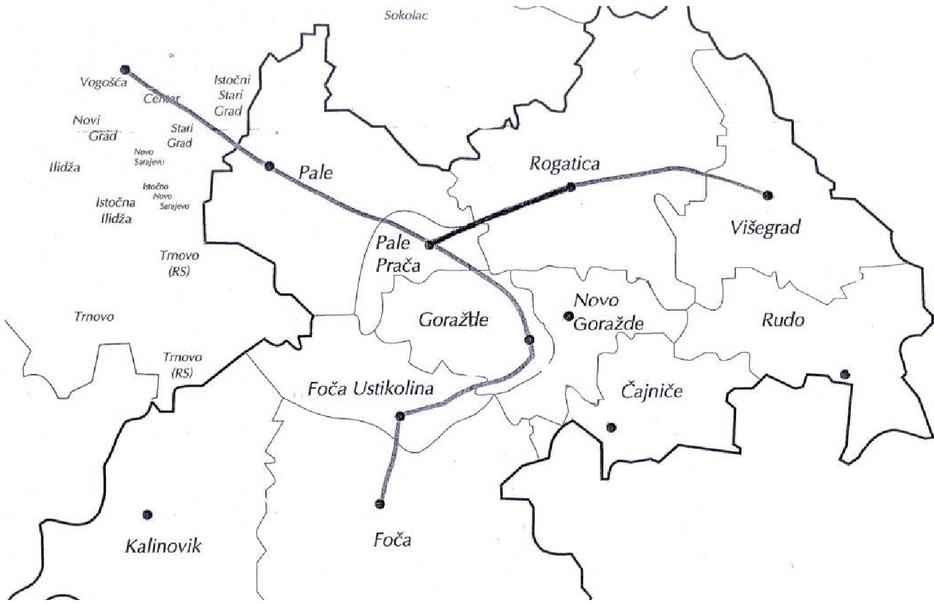
Figure 3 Planned Gasification Route of Gornje Podrinje [3].
For the southern part of the Republic of Srpska, there is a potential option for gasification of the city of Trebinje, provided there is market justification following the implementation of the IAP project, which would also bring gas to the southern territories of the Republic of Srpska. In the upcoming period, the Republic of Srpska also plans gas pipeline routes for the Upper Drina region (the planned length of the pipelines is approximately 150 km with various diameters). When planning new pipeline routes, amendments to the Spatial Plan of the Republic of Srpska until 2025 are required, or the adoption of a new plan for the period up to 2030, which is a more realistic option.
5 Concept of Gas Pipeline System Planning
5.1 Technical Documentation
The planning of all linear energy infrastructure objects, including gas pipeline systems, is carried out in the following stages: a preliminary study or feasibility study with a conceptual solution, conceptual design, detailed design, and, as the final stage, the documentation for execution – the implementation design.
At the level of conceptual studies or solutions, it is necessary to analyse all possible variants for addressing the gasification issues in the considered areas of the eastern part of the Republic of Srpska and to select the most optimal routes for the main gas pipelines. Among these, one variant must be chosen as the best solution. The selected variant is later developed in more detail in the conceptual and detailed design stages and constructed based on the implementation project. The phase of preparing conceptual solutions in the planning of main gas pipeline systems is very important because it involves developing different solutions in terms of: defining the areas to be covered by the planned gas pipeline systems, identifying users in the selected areas, designing corridors with possible alternative routes (developing solutions), and defining and analysing the advantages and disadvantages of each variant (variant evaluation), etc.
5.2 Application of Systems Analysis in Planning Gas Pipeline Systems in the Considered Area
For the effective resolution of gasification issues in a given region, as well as for selecting the best variant of a gas pipeline system, it is advisable to apply the procedure of systems analysis [66]. In the literature, other terms are often used instead of “systems analysis,” such as: systems engineering, systematic approach, operations research, operational analysis, management sciences, etc. Systems analysis represents a rational decision-making process regarding a system, based on a comprehensive and efficient organization and analysis of the available information. This analysis is often accompanied by optimization aimed at selecting the best variant solution in relation to the predefined objectives that the project must achieve after its implementation. A systematic approach for solving problems related to the management of linear infrastructure systems is illustrated in the algorithm in Figure 4 and consists of the following steps:
(1) Problem identification – For gas pipeline systems, this involves planning capacities, reserving land areas, designing implementation plans, preliminarily considering possible funding sources, preparing documentation, and reserving the necessary time for planning, designing, and executing such systems.
(2) Orientation – In this step, the knowledge required to solve the problem (problem orientation) and the knowledge currently available (personal orientation) are analysed. A knowledge assessment is conducted, which often reveals deficiencies, requiring knowledge expansion. A team of experts is formed, allowing interaction among members with diverse knowledge to ensure a comprehensive and holistic problem analysis and resolution.
(3) Problem definition: objectives, criteria, measures, boundaries, and work plan – This involves determining the primary (problem-solving) and secondary (incidental) objectives to be achieved through the construction of the gas pipeline system, defining the criteria and measures for evaluating solutions, setting the boundaries of observation and problem-solving, and designing a work plan.
(4) Assessment of the current state of the problem – Examining the real-world situation, collecting existing data, and conducting surveys, measurements, and research to obtain new data.
(5) Study of the problem state – Processing all available data into a usable form, considering the problem as both a complete system and as individual system components, classifying and analysing their interrelations, synthesizing all parts, and again examining the problem holistically from a broader perspective with knowledge of individual elements.
(6) Generation of alternatives and selection of the most favourable variant – Developing alternative solutions, evaluating the fulfilment of individual objectives based on criteria and measures, striving to achieve multiple objectives simultaneously, and selecting the solution that maximally satisfies all goals.
(7) Solution formulation – Preparing the detailed design and, after obtaining all necessary permits, the implementation design.
(8) Solution execution – Proceeding with construction.
(9) Improvement of problem-solving procedures – Optimizing the algorithm of procedures from Figure 3 based on gained experience.
Among the procedures that can serve as a supportive tool in the decision-making process is multi-criteria optimization.
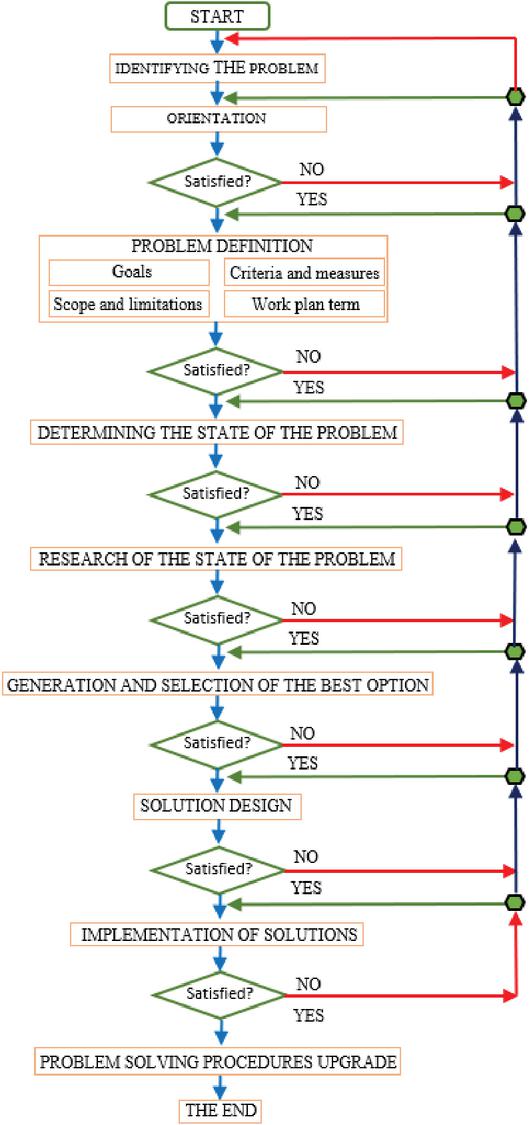
Figure 4 Problem-solving algorithm for selecting the optimal variant.
6 Design Process of Infrastructural Linear Objects Within the Gasification Project of the Eastern Part of the Republic of Srpska
6.1 Design Process of Infrastructural Linear Objects
The design process of infrastructural linear objects consists of successive research and the selection of the optimal corridor (study-level analysis), as well as determining the optimal alignment for its spatial extension (Conceptual Design and Main Design). In practice, the procedure involves developing alternative solutions, evaluating them, and making a decision on the most favourable solution, which is essentially similar to the multi-criteria optimization (MCO) process for discrete systems [3]. A schematic overview of the selection of the land corridor for the linear infrastructural object, depending on the design phase, is presented in Figure 5.
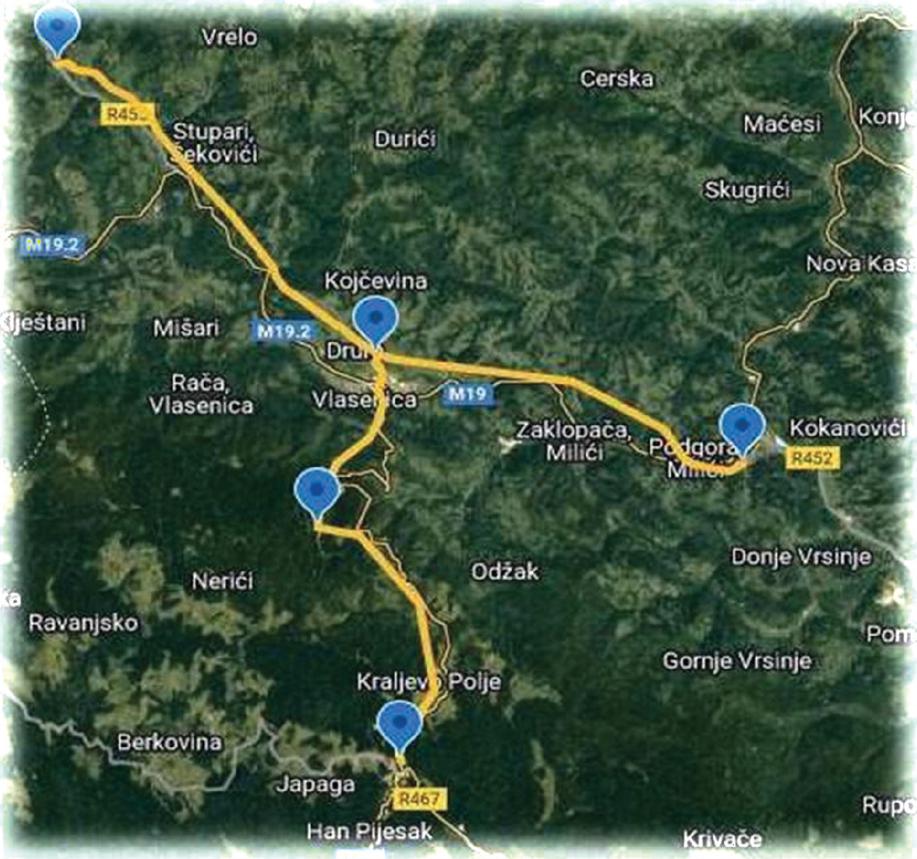
Figure 5 Selection of the location of linear objects depending on the design phase.
Developing alternative solutions in the design of infrastructural linear objects requires the designer’s creativity, while meeting the required criteria set by the investor, as well as ensuring the functionality and technical usability of the object during its primary and, if applicable, extended service life [6]. For these reasons, study-level analyses include corridor alternatives, and based on the evaluation of their parameters according to specific criteria, the optimal route of the object is selected.
Before the actual construction and installation phase, it is necessary through study analyses to objectively assess the most significant impacts the object may have (environmental pollution, safety and reliability, service level, throughput capacity, system-environment interaction, route aesthetics, required financial resources, static and dynamic indicators of the investment’s economic-financial analysis, broader social benefits, etc.), in order to ensure the required quality level at the lowest possible construction and operational costs [7]. It is important to note that the ability to influence quality and cost is greatest during the early planning stages of linear objects (study analyses and conceptual design) and significantly decreases once the construction or operational phases begin. Managing the design process of infrastructural objects represents a highly complex task, the main goal of which is the successful completion of all activities – from study-level analyses to the selection of the most favourable contractor for construction and signing the works contract. The management process itself can be considered from both the investor’s and designer’s perspectives. Although these represent different levels of rights and responsibilities, the fact remains that a well-defined and efficient management system for the development of design documentation is in the mutual interest of both parties.
The process of determining the optimal spatial solution for a linear infrastructure facility, which takes place after the research has been conducted, includes [5, 8]:
(a) determining the type and category (rank) of the infrastructure linear facility,
(b) identifying alternative corridors with alternative routes for linear objects,
(c) evaluating alternative solutions and identifying suitable options for potential application,
(d) assessing the socio-economic impacts and environmental impacts of all applicable solutions,
(e) selecting the optimal variant for which the process of preparing detailed design documentation will continue.
The process of determining alternative corridors is based on the demand for the services provided by a specific infrastructure system, the existing network to which the particular facility will belong, topographical conditions, land acquisition and use costs, construction and installation costs, environmental impacts, socio-economic impacts on the surroundings, and other social benefits [8]. The decision-making process related to determining the optimal route of an infrastructure linear facility implies a synergy of human factors, the application of mathematical methods, and the use of computer tools. Alternatives represent different choices of actions available to the decision-maker. The set of alternatives usually refers to a limited set, ranging from a few to several dozen for energy infrastructure facilities. It is assumed that alternatives have been verified, prioritized, and possibly ranked.
Every multi-criterion decision-making problem is associated with multiple attributes. Attributes are also referred to as goals or decision-making criteria. Attributes represent different dimensions from which alternatives can be observed. In cases where the number of criteria is large, they can be organized hierarchically. This means that some criteria are more important than others, i.e., there is a main criterion. Each main criterion can be associated with several sub-criteria [8]. Similarly, each sub-criterion can be associated with several lower-level sub-criteria, and so on. Although some multi-criteria decision-making methods may require a hierarchical structure among decision-making criteria, most assume only one level of criteria (no hierarchy). Since different criteria represent different dimensions of alternatives, they may be in conflict with each other. Different criteria may also be expressed in different units of measurement, which further complicates the resolution of the multi-criteria decision-making problem.
A commonly applied multi-criteria decision-making method requires assigning weights to criteria according to their importance. Typically, these weights are normalized so that their sum equals one (1). On the other hand, the multi-criteria decision-making problem can also be represented in matrix form. The decision matrix is an () matrix in which the element represents the characteristics of alternative when it is evaluated according to the decision-making criterion . It is also assumed that the decision-maker has determined the weights of the relative characteristics of the decision-making criteria . Determining the set of alternatives is usually the initial step in multi-criteria decision-making [5].
The set of alternatives A is the basic set of selected routes for the main gas pipeline studied during the decision-making process. Typically, it is defined by listing all the elements of set A (in cases when A is a finite set with sufficiently few elements) or by specifying one or more properties satisfied by all elements of set A (in cases when A is infinite or finite but too large to list). Depending on the complexity of the multi-criteria decision-making problem, it is often not possible to define set A in advance. It may happen that this set is defined gradually during the decision-making process itself, which is why sets of alternatives are divided into stable (predefined and closed to changes during the decision-making process) and variable (with the possibility of modification during the decision-making process due to intermediate results obtained during the process). Sometimes, several different sets of alternatives may be used in the decision-making process, and the nature of each (stable or variable) depends on the chosen approach. Since some definitions can lead to simpler preference structures, there are multiple good ways to define set A [67]. At the same time, this can lead to very complex applications of decision-making methods. Other definitions may have opposite characteristics. Therefore, defining set A depends not only on the problem being solved and the factors involved in the decision-making process but also on defining the goal, preference structure, problem identification, and the choice of an appropriate multi-criteria decision-making method [28].
Great assistance in defining criteria is provided by so-called goal analysis, i.e., the analysis of objectives to be achieved by solving the defined problem. It is important in goal analysis to distinguish between the levels to which the model applies, especially because at a higher (strategic) level, some goals originate from the external environment. Achieving the set goals is the basic assumption of any decision-making process, and the procedure for determining goals is often arduous because decision-makers may believe their goals are entirely clear or are under pressure to make predefined, recognizable decisions. Generally, there is a lack of structured approaches that would allow for efficient and rapid systemic analysis of goals, making experience and teamwork, along with methodology, the best guarantee of success.
In practice, goal conflicts at the strategic level are common, and it often happens that goals originating from the external environment conflict with those generated within the system [68]. This contradiction carries over to the criteria, which are often in conflicting positions. Such contradictions are due to a poorly structured problem. This contradiction justifies the use of multi-criteria analysis methods because classical methods cannot determine the optimal solution to the problem. In this way, a certain number of criteria are identified, forming elements of a preliminary set of criteria. Another part of this preliminary set is identified based on experiences from similar projects and conducted scientific or practical research. A third part of the preliminary set of criteria originates from the physical, functional, and other characteristics of the system being considered. A fourth part of the criteria is formulated as a reflection of the requirements, needs, expectations, and interests of stakeholders (participants) in the project.
There is no clearly defined rule regarding the number of criteria in the preliminary set. Efforts should be made to keep it as small as possible. This number largely depends on the analyst’s preferences, the problem being solved, and the decision support system used.
A financially significant or otherwise important decision, especially in systems with complex technical characteristics, may involve up to a hundred criteria. However, for making quality decisions, the optimal number of criteria is considered to be in the range of 5 to 20. When determining the set of criteria for a given goal, the properties of measurability (the criterion must be practically understandable to determine its value on a certain measurement scale for a given alternative) and clarity (the value of the criterion must sufficiently indicate the degree to which the goal has been achieved) should be satisfied.
Multi-objective decision-making is applied in so-called well-structured problems where the set of conditions U can be appropriately described mathematically (with real functions of n real variables), which is generally not always the case. Therefore, multi-criteria decision-making problems are divided into well-structured and poorly structured, and multi-criteria decision-making itself into multi-objective (used for solving well-structured problems) and multi-attribute (used for solving poorly structured problems) [5]. In multi-objective decision-making, the term objective function is often used instead of the criterion function (hence the name of this type of decision-making). In the case of multi-attribute decision-making, the term attribute is used instead of the term criterion (hence the name of this type of decision-making).
Multi-attribute decision-making is applied when solving poorly structured problems, when the set of conditions U cannot be conveniently (or sufficiently well) mathematically described (by real functions of n real variables).
It may happen that, during the decision-making process, the problem of choosing one of several (at least two) efficient alternatives arises. In such cases, the corresponding model is first reduced by eliminating all inefficient alternatives from set A, and then the remaining ones are grouped into classes of equivalent alternatives. According to the axiom of choice in set theory, only one representative from each class can be selected, and a new set of alternatives is formed from these representatives.
Since the solution to the multi-attribute decision-making problem is the set of all efficient alternatives, which (except in the case of model reduction) is equal to the initial set of alternatives A, three basic principles of solving this problem can be distinguished [69]. Computer programs designed to solve multi-attribute decision-making models are based on these principles [70]. These principles are:
• ranking (ordering alternatives from best to worst),
• selecting only one alternative (choosing the best alternative),
• selecting multiple alternatives (choosing a predetermined number of alternatives starting from the best or selecting alternatives that meet some additional conditions that are not part of the multi-attribute decision-making model).
6.2 Basis for Applying Multi-Criteria Optimization in Gas Pipeline System Planning
The fundamental bases required for developing solutions for gas pipeline systems are: meteorological and hydrological data, geological and seismological data, pedological data, geodetic data, determining the necessity of applying gasification based on balance studies, conducting field and laboratory research, development of elements of the gas pipeline systems, defining natural gas supply sources in the required quantities, taking into account consumption growth due to potential regional development, defining natural gas quality, selection of the method, approach, and gasification system, processing other elements required for designing the gas pipeline system [55].
All data must be presented on appropriate topographic and geodetic bases (topographic plans and maps), the scale of which depends on the level of technical documentation and the size of the area considered for the gas pipeline system construction. Today, a practical overview of data is inconceivable without the application of GIS technology, which integrates maps and data.
6.2.1 Preparation of bases for the application of multi-criteria optimization
At the conceptual study level, it is necessary to establish a value system composed of criteria and measures based on which the evaluation of solutions is carried out and the most favourable solution is selected. In this context, a criterion represents the standpoint from which the solutions are assessed, while measures quantify the degree to which the criterion is satisfied. Apart from being used for evaluating and selecting solutions, criteria and measures can also be applied for assessing the performance of existing gas pipeline systems.
In the process of generating alternative solutions, all solutions should be analysed in terms of functionality, technical and technological feasibility, constraints (spatial, environmental, and social), and acceptable economic and financial costs. The generated alternatives must achieve the objectives for which they were planned [71]. By introducing criteria, an assessment is made of the extent to which each alternative satisfies them. The shortlist of potential alternatives includes those that meet all aspects. In the next step, multi-criteria optimization is used to select the one alternative that represents the best solution, while the others that do not meet the requirements are eliminated from further consideration.
In addition to the criteria used to assess the fulfilment of primary objectives (in terms of ensuring the required quantities of natural gas of a specified quality) and secondary objectives (those achieved incidentally and not necessarily related to the primary objectives), solutions in the area of gas pipeline systems can be considered from three additional standpoints or criteria:
• Economic criterion,
• Social criterion,
• Criterion of impact on the environment (ecological criterion).
Each of these criteria can be broken down into simpler sub-criteria, which enables easier evaluation of solutions [72]. Such an analysis of criteria should be approached cautiously to avoid losing the integrity of the problem-solving process. Until about 40 years ago, there was a tendency to give absolute priority to the economic criterion in the decision-making process (choosing the most economical solution). Such solutions, in most cases, had negative social and ecological impacts. With the growing awareness of the “true” value of water as a resource that is increasingly subjected to declining quality and quantity, as well as the importance of using resources in line with sustainable development, social and ecological criteria have gained significant importance in the decision-making process [55]. Today, all the mentioned criteria are used to select the best solution (in addition to those arising from the primary objectives). There are two most commonly used approaches to selecting the best solution while considering all criteria:
1. The first approach involves achieving the primary objectives and evaluating solutions based on the economic criterion, along with preparing studies on social impacts and environmental impacts. These studies determine the positive and negative effects of individual alternatives on the population and the environment, based on which an alternative is accepted or rejected.
2. The second approach involves using various decision-making methods for selecting the most favourable solution, including multi-criteria optimization [8]. By applying multi-criteria optimization methods, the selection of the optimal solution is carried out considering all criteria.
6.2.2 Criteria for evaluating the fulfilment of objectives
All infrastructure facilities, including gas pipeline systems, are built to meet human needs. These needs represent the primary objectives that gas pipeline systems must fulfil, such as:
• the supply of natural gas as an energy source for settlements and industry,
• control of environmental pollution,
• protection of plant and animal life,
• positive social impact,
• district heating for urban areas,
• conditions for cogeneration and trigeneration plants based on natural gas as an energy source,
• diversification, etc.
Therefore, the solutions to the problem related to selecting the optimal variant should be considered from the standpoint of satisfying objectives/needs associated with natural gas as a new energy source, i.e., the criteria used to assess the fulfilment of these needs. The generated variants must achieve the objectives related to natural gas as an energy source for which they were planned, as well as some secondary objectives, but it is also necessary to determine the extent to which each variant achieves them.
The fulfilment of these objectives can be evaluated in monetary units or in another unit (e.g., by the agricultural area affected, the quantity of natural gas provided by each variant, the level of protection of agricultural land, etc.).
Selection of criteria for decision-making when choosing the onshore route of a main gas pipeline
Defining a model for selecting infrastructure facilities involves criteria and sub-criteria for evaluation. The aim of this work is to establish criteria for selecting alternative routes for the main gas pipeline, and to evaluate, compare, and assess them in order to select the most optimal route in relation to the defined objectives. The very choice of decision-making criteria for selecting the optimal gas pipeline route is a complex and sensitive process since the final decision depends on the purpose and feasibility of evaluating the plan. Since all output values must be converted into a common measurement unit, the process of determining value measures (quantitative or qualitative) requires special attention. The decision-making process for selecting the onshore pipeline route is influenced by numerous criteria, whose importance varies. Some of them are measurable with known data for evaluation, while others are more difficult to “measure,” which further complicates the process of obtaining appropriate values. In the past, the analysis of selecting the optimal gas pipeline route was based on the tendency to give absolute priority to the economic criterion in the process of transportation planning and decision-making. Typically, such solutions resulted in neglecting other equally important criteria, some of which were included in the economic category (e.g., transportation service cost), but some were not. Thus, common practices included cost-benefit analysis of building specific gas pipeline infrastructure, analysis of transportation service costs, review of past investment expenditures, plans and projections of future investments in gas pipeline infrastructure, etc. In the process of preparing technical documentation, special studies were also conducted in which certain solutions were evaluated according to various other criteria, such as qualitative criteria (environmental impact studies, geo-seismic studies, etc.), social criteria, and others [28].
To achieve comprehensive evaluation of individual solutions, an approach that considers the simultaneous influence of multiple different criteria for selecting the optimal route is required (multi-criteria ranking of alternative solutions). It is important to emphasize that, in line with increasing demands from transport service users, certain qualitative criteria have gained an increasingly significant role in the process of infrastructure planning and decision-making. On the other hand, by adopting various international and internal standards, other criteria have also gained importance and are increasingly implemented through various standards and community requirements (environmental criteria, sustainable development criteria, energy efficiency, safety and reliability, quality of delivered gas, etc.). For the purpose of selecting the main gas pipeline route and applying the multi-criteria analysis method, a set of criteria and sub-criteria has been chosen based on information obtained from experts in the field of infrastructure planning and design of energy-process facilities, as well as research from domestic and international scientific literature, which are highlighted as the most important in selecting the optimal onshore gas pipeline route (case studies).
The criteria for evaluating an onshore gas pipeline route can be classified in several different ways. The most significant approach is the one that distinguishes between evaluation criteria variants, according to which two groups of criteria differ:
• a group of criteria evaluated based on specific, exact, and quantitatively expressed data, and
• a group of criteria evaluated according to the subjective assessment of researchers who are assumed and required to have sufficient knowledge of the issues and criteria they will evaluate.
Below is a brief overview of the most important groups of criteria for evaluating gas pipeline routes as infrastructure facilities of special significance.
Economic-Financial Criterion – Previously, the choice of the best variant for planning and designing gas pipeline systems was exclusively dominated by the economic criterion (the selected solution was also the most economical solution). However, since the benefits of infrastructure systems in general, including gas pipeline systems (revenue from the sale of natural gas, useful forms of final energy, etc.), as well as construction costs of these systems, are not the same under current availability conditions and availability in the near or distant future, the principle of discounting is used to obtain present values of costs and benefits (or profit). Discounting assumes the use of weighting coefficients that increase or decrease costs and benefits depending on whether these values need to be converted from the past or from the future to the present value. To obtain the present value of construction costs for a gas pipeline system in the past Tsv, the following expression is used:
| (1) |
where Ti is the cost in year i , and p is the discount rate.
To obtain the present value of the net benefit Dsv that will be realized in the future, the following expression is used:
| (2) |
where Ki is the benefit, Ti the cost in year i (, and p is the discount rate.
Variants can be compared and ranked based on net benefits according to expression (2), but it is also useful to compare them by rates of return on invested funds in order to select the most productive variants (two indices are used: profitability, which represents the ratio of benefits to costs, K/T, and the internal rate of return for which the net benefit equals zero, i.e., profitability equals 1). The discount rate should be determined at the state level by government and financial institutions, usually ranging from 6% to 9% per year.
It should also be noted that comparisons can be made based on the planned unit price of 1 Nm3 of natural gas, which results from the funds invested in constructing the gas pipeline system. For study considerations, it is assumed that future demand is known, which is rarely the case. Uncertainty regarding natural gas demand is usually the main source of project evaluation uncertainty. Therefore, it is advisable to consider risk factors (sensitivity analysis of key input and output parameters is mandatory in study analyses).
Environmental Criterion – Environmental degradation (pollution of water, air, and soil, and radioactive contamination) directly affects human health, plants, and animal species. Environmental impacts that occur during operation are a consequence of the existence and use of the gas pipeline system in a given area. These impacts are generally permanent, with a tendency to increase spatially and temporally, so it is necessary to detect their presence and nature in time. Conducting an environmental impact analysis aims to direct negative environmental impacts positively and predispose potential negative effects. The area of direct impact is the space occupied by the gas system facilities and associated infrastructure. Construction works are carried out in this space, occupying and altering the habitats of humans, plants, and animals. The direct impact area of the gas system is mostly within the immediate footprint. The indirect impact area is the space where the facility is not constructed, but the impact is felt as a result of the construction of the object. The planned gasification system for the eastern part of the Republic of Srpska is designed to be safe from an environmental protection standpoint, ensuring that within the affected area, proper arrangement of pollutant sources, adequate landscaping, construction of protective barriers, etc., provides conditions that do not significantly affect the quality of life and environmental values of the area. It is also necessary to strictly implement planned environmental protection measures to mitigate negative impacts, reducing them to the minimum. In developing countries (such as BiH, and thus the Republic of Srpska as its constituent entity), ensuring technological development requires additional funds and supplementary activities to preserve the natural environment from further depletion and degradation, or even contribute to its revitalization to some extent. Given this, it is essential for projects of broader societal interest, which may be potential environmental pollutants, to apply a model of integrated techno-economic and ecological analyses to assess the acceptability of their construction.
Since certain gasification solutions in the eastern part of the Republic of Srpska can cause both positive and negative occasional (construction period) and permanent changes (operation period) in the environment of a given area, it is important, if a solution is adopted, to mitigate negative impacts and enhance positive effects. Sometimes negative impacts are so significant that they can lead to the rejection of certain project variants. Project impacts on the environment should also be analysed from an aesthetic (landscape) perspective.
Changes in the environment arise from specific sources, are transmitted through environmental media, and affect receivers (animal, plant, and human species). Since the environment consists of components and categories (Table 2), when evaluating solutions, the impact of the solution on environmental elements should be analysed (Table 3).
Table 2 Components and categories of the environment
| Components | Rating and evaluation categories |
| Areas of natural beauty and human recreation and enjoyment | Open space and green belt River flows and systems Lakes and reservoirs, coasts and beaches Mountainous, wild, primitive and natural environment Estuaries and floodplains Other areas of natural beauty |
| Archaeological, historical and cultural areas | Archaeological resources Historical resources Cultural resources |
| Biological, geological and environmental component | Biological resources (flora and fauna) Geological resources Ecological resources |
| Quality | Water quality Air quality Soil quality Aesthetic (landscape) quality or scenery |
| Observations related to all groups of components | Resource Uniqueness Considerations Considerations of irreversible changes |
For each infrastructure system, it is necessary to define the positive and negative environmental characteristics that are affected by the project. It is also important to address the impact of irreversible changes that may occur (such as the extinction of a plant or animal species, or the destruction of unique natural beauty), as well as the steps that can be economically undertaken to mitigate negative environmental impacts. Taking into account modern environmental protection regulations, which are part of the current legislation of Republika Srpska as well as the European Union, the technical solutions included in the project design for this gas pipeline system incorporate all necessary protection measures, ensuring that the facility is acceptable from both economic and ecological standpoints. Furthermore, the assessments of the gas pipeline system’s impact on the surrounding environment, conducted based on realistic assumptions available at this time, indicate that the expected contributions of the gas pipeline system are practically at the level of existing pollution and will not cause changes in environmental quality. With the implementation of the planned mitigation measures for negative impacts and environmental protection (water, soil, air, climate, population, flora, fauna, material assets, landscape), the impacts will be acceptable. Considering that this project is a continuation of the Republika Srpska gasification program, the state of the environment will not be significantly affected, and impacts on environmental quality will be under continuous monitoring.
Table 3 Parameters to include in the evaluation of different project variants
| Components | Rating and evaluation categories |
| 1. Water quality | Dissolved oxygen, biochemical oxygen demand, total organic carbon, biomass, phosphates, nitrates, salinity, specific pollutants, temperature, pH, bacteria, viruses and parasites |
| 2. Amount of water | Flow-water level, seasonal variations, flooding |
| 3. Recreation | Clean water, turbulence, color, smell, phenomena on the water surface (waste, oil stains) and water quality parameters |
| 4. Soil quality | Soil erosion, protection of beaches, removal of solid waste, bare unimproved land, soil acidity |
| 5. Air quality | Sulfur oxides, nitrogen oxides, greenhouse gases, other pollutants, particles |
| 6. Aquatic ecosystems | Breeding, migrations, maintenance of natural and genetic heritage (especially for rare species) |
| 7. Ecosystems on Earth | Breeding, migrations, maintenance of natural and genetic heritage (especially for rare species), vegetation and vegetation systems |
| 8. Undesirable and/or irreversible changes | Salinity, poisoning, eutrophication. |
| 9. Exposure to natural disasters | Earthquakes, flood waves, hurricanes, geological anomalies |
| 10. Aesthetic parameters | Loss of a specific and rare scene, historical, cultural and archaeological locations |
| 11. Microclimate | Reduction of frost/ice, appearance of fog, reduction of temperature differences |
| 12. Noise | Construction activity, industry, power plants, traffic |
Some environmental impacts can be measured quantitatively in certain physical and ecological units, while for those impacts that cannot be measured directly, qualitative (descriptive) methods are used. Some environmental qualities may depend on other indicators and therefore require combined evaluation. For a successful assessment of variant solutions, it is important to involve the public.
Environmental descriptions should be prepared for both situations (with and without the project, using the recorded baseline environmental condition). All changes in the environment are evaluated, and the optimal solution is chosen accordingly. Often, several criteria are highlighted for evaluating environmental changes [73]:
• Physical criterion – defines critical values of certain environmental variables above/below which problems occur (e.g., water or soil acidity, nitrogen levels in water and soil, etc.),
• Life structure criterion – includes the (non)existence of mixed aquatic and terrestrial life forms, which depend on water, air, or soil quality,
• Environmental standards – mandatory in most countries, and the variants must comply with these standards,
• Regional environmental balance concept – related to the uniqueness of resources affected by the project.
During the planning phase, the impact of infrastructure systems (including gas pipelines) on the environment cannot be directly determined and thus relies on various simulation and optimization models: hydrological, hydraulic, water, soil, and air quality models, analog models, ecological models, etc. [74].
Social criterion – All energy systems and facilities, including gas pipeline systems, should also be evaluated from a social perspective, assessing the impact on human life and health. Traditional approaches to energy planning assumed that society would adapt to the project over time, and sociological studies were used only to address issues that might arise post-construction (during the operational phase). Consequently, social considerations were not part of the planning and execution process, and post-construction problems could not be anticipated or mitigated in time. Gas pipelines during operation do not generally pose hazards, except in cases of accidents. Fortunately, the frequency and severity of natural gas accidents are significantly lower compared to incidents involving, for example, liquid petroleum gas or urban natural gas distribution pipelines, which are often caused by poor maintenance or damage from other activities. Landowners along the pipeline route are entitled to compensation for lost value or restricted use of their land. Distinctions are made between easement rights for buried pipelines and full expropriation for aboveground structures, such as block stations, MRS facilities, or access roads. If the pipeline crosses arable land, easement agreements allow pipeline burial, and the land is restored after construction. If crop areas are affected during construction, additional compensation may apply. Agricultural land quality must be restored.
For permanent structures where the construction corridor matches the operational corridor width (e.g., block stations, access roads), full expropriation is necessary, as the land cannot return to its previous use.
Large technical interventions, especially involving aboveground structures, can create additional problems, such as population displacement, leading to psychological issues, practical challenges in temporary and permanent housing, organization of new residential areas, workplaces, and health problems due to microclimate changes.
The procedure for evaluating technical solutions from a social perspective can also be viewed in terms of the expected positive or negative welfare of individuals (quality of life, i.e., fulfilment of their biological and derived needs), as well as the welfare of society (population standards, the ability of various subsystems and institutions to meet basic human needs, and the social system as a whole).
A solution can be evaluated at different levels:
• Individual level – considers the welfare of an individual or their family, i.e., quality of life. This is difficult to measure in concrete units; usually, the unit of analysis is the individual and/or family. The impact of the solution is assessed as favourable or unfavourable to their welfare.
• Group level – also referred to as the quality-of-life level. This considers the impact of the solution on the overall population of a specific area, evaluating the number of positive and negative social impacts and their distribution among the population. One way to evaluate this criterion is to determine the range of satisfaction of basic needs across categories such as nutrition, health, clothing, housing, education, income, etc., subdivide each category into levels, and determine the percentage of the population at each level.
• Societal level – includes the level of subsystems and institutions, assessing the impact of the solution on their functioning and on the social system as a whole. The evaluation considers how the solution affects the growth and development of the social system and other societal needs, including self-awareness (ability to set and achieve goals), citizen participation in decision-making, stability (resistance to change), legitimacy (ensuring loyalty and motivation), and competence (efficiency).
There are multiple subsystems to consider: demographics, education, government services, housing, legislation, social services, religion, recreation, employment, income, communications, transport, etc.
Table 4 presents one possible structure for evaluating a variant from a social perspective.
Table 4 Evaluation of a variant from a social aspect
| Individual Well-being | Welfare of Society | |
| Individual and family level | Subsystem and institution level | Level of social system |
| 1. Nutrition | 1. Demographic characteristics | 1. System development and growth |
| 2. Health | 2. Education | 2. System awareness |
| 3. Clothing and housing | 3. State management and services | 3. Participation in decision-making |
| 4. Security | 4. Housing | 4. Stability |
| 5. Socio-economic status | 5. Law and justice | 5. Legitimacy |
| 6. Education | 6. Community/welfare services | 6. Competencies |
| 7. Income | 7. Religion | |
| 8. Employment | 8. Culture | |
| 9. Preferences and interactions | 9. Recreation | |
| 10. Communication and transportation | 10. Informal groups | |
| 11. Personal satisfaction | 11. Employment | |
| 12. Real income | ||
| 13. Social security and cash benefits | ||
| 14. Communications | ||
| 15. Transport / traffic | ||
| 16. Economic basis |
A prerequisite for applying multi-criteria analysis procedures is the determination of the combinations of selected criteria, weighting coefficients (importance of the criteria), and the criteria function, whose variations allow the observation of their impact on the selection of the optimal variant. When establishing the importance of criteria, i.e., preferences, the desires and intentions of the decision-maker are taken into account.
Forming a table for applying multi-criteria optimization
After analysing the variants according to the selected criteria, it is necessary to create a table listing all variants and their evaluations according to all chosen criteria/sub criteria, as shown in Table 5.
To enable a more effective approach to the multi-criteria ranking of variants, as well as the possibility to analyse results and draw conclusions on specific indicators in the evaluation of individual variant routes, the criteria are divided into sub criteria. For complex criteria that can be evaluated from multiple aspects, dividing them into sub criteria significantly facilitates the evaluation of variants.
In parallel with Table 5, a table of criteria weights must also be created (Table 6). The weight of a criterion represents the importance of that specific criterion. The final selection of the optimal variant route depends on the accurate determination of the weighting coefficients of the criteria.
Table 5 The form of the table showing the result of evaluating the variants according to the selected criteria
| Criteria for Evaluating | Sub-criteria | Variant | ||||||||
| Variant Solutions | (Unit of Measure) | 1 | 2 | … | … | |||||
| Criterion of assessment of goal satisfaction | CAGS | Route length (km) | CAGS1 | |||||||
| Altitude / slopes (m/rad) | CAGS2 | |||||||||
| Geological-seismic risk | CAGS3 | |||||||||
| Technical compatibility | CAGS4 | |||||||||
| Availability of service roads | CAGS5 | |||||||||
| Economic and financial criteria | EF | Estimated construction cost (EUR/km) | EF1 | |||||||
| Land expropriation costs (EUR) | EF2 | |||||||||
| Maintenance and accessibility costs (EUR/Year) | EF3 | |||||||||
| Economic multiplier effects | EF4 | |||||||||
| Project realization time (Year) | EF5 | |||||||||
| Ecological criterion | EC | Distance from protected areas (km) | EC1 | |||||||
| Impact on waterways and groundwater | EC2 | |||||||||
| Impact on agricultural land | EC3 | |||||||||
| Emissions and noise during construction | EC4 | |||||||||
| Possibility of rehabilitation | EC5 | |||||||||
| Social criterion | SC | Number of settlements in the 0-500 m zone | SC1 | |||||||
| Number of affected plots/owners | SC2 | |||||||||
| Compliance with spatial and regulatory plans | SC3 | |||||||||
| Social acceptability/public support | SC4 | |||||||||
| Cultural and historical heritage | SC5 |
It is also important to note that there are several ways to determine the weight of a criterion:
• Criterion weights can be described using ratings within a chosen scale (e.g., 1 to 5 or 1 to 10, where 1 represents the least important criterion, and 5 or 10 represents the most important criterion);
• A relative relationship can be introduced (the least significant criterion is assigned a weight of 1, and other criteria can have the same weight, indicating equal importance, or the weight can be doubled to 2, meaning the criterion is twice as important as the least significant one; the procedure can continue with tripling the weight, and so on);
• Relative criterion weights can sometimes be expressed linguistically (e.g., a criterion is described as very important, moderately important, or slightly important, etc., or subjective opinions on the importance of criteria can be simultaneously expressed in statements such as: “all criteria are equally important, except the criterion that is twice as important as the others,” or the importance can be expressed linguistically by comparing pairs of criteria: “criteria A and B are equally important,” or “criterion A is absolutely more important than criterion B”), etc.
Linguistic statements about the importance of criteria should be converted into numerical values using simple standardized scales, or fuzzy numbers (defined on standardized domains and with standardized membership functions) as a way to express the inherent uncertainty associated with these problem parameters.
Table 6 The form of the table showing the weight of the criteria adopted
| Criterion | Sub Criterion | Criteria Weight | Sub-criteria Weight |
| Criterion of assessment of | CAGS1 | 0.30 | 0.25 |
| goal satisfaction | CAGS2 | 0.20 | |
| CAGS3 | 0.20 | ||
| CAGS4 | 0.15 | ||
| CAGS5 | 0.20 | ||
| Economic and financial criteria | EF1 | 0.35 | 0.35 |
| EF2 | 0.15 | ||
| EF3 | 0.15 | ||
| EF4 | 0.10 | ||
| EF5 | 0.25 | ||
| Ecological criterion | EK1 | 0.20 | 0.25 |
| EK2 | 0.25 | ||
| EK3 | 0.20 | ||
| EK4 | 0.15 | ||
| EK5 | 0.15 | ||
| Social criterion | SC1 | 0.15 | 0.25 |
| SC2 | 0.20 | ||
| SC3 | 0.25 | ||
| SC4 | 0.15 | ||
| SC5 | 0.15 |
The generally accepted scale for converting linguistic statements about the importance of criteria into numerical values, or for quantifying the pairwise relationships between criteria, is the scale introduced by Saaty, defined on the interval and based on a fundamental scale. Saaty explains the choice of this interval and why it is neither larger nor smaller using a psychological theory related to the stimulus of measurable quantities, proposed by Weber in 1846. According to this theory, humans cannot make distinctions from an unlimited set of data – they lack the “instrument” to differentiate between two very close values. This means the value must be increased by a minimal amount to reach a point where human senses can distinguish between and . Based on a mathematical model derived from this theory, Saaty formulated a scale of five values and four intermediate values, with nine (9) as the upper limit and one (1) as the lower limit. The set of values represents the reciprocal values of the interval .
The relative weights of criteria play a decisive role in decision-making and in selecting the optimal solution. The methods most commonly used to determine the weight of each criterion are survey-based, with the Delphi method being the most widely used and developed. The Delphi method, developed in the early 1960s at the RAND Corporation (Santa Monica, California), is one of the basic forecasting methods and the best-known approach for obtaining expert evaluations, significantly improving classical forecasting by jointly consulting a group of specialists on the problem under study. In essence, it is a methodologically organized use of expert knowledge to predict future conditions [75].
When evaluating weight values, it is necessary to ensure that the total sum of weights equals 1. If a particular goal/criterion is deemed irrelevant to the selection of an alternative, it is assigned a weight of 0. Each evaluator is autonomous in assessing the weight of goals/criteria. Another way to determine the relative weights of criteria is based on the opinion and decision of the analyst [76].
The importance (weight coefficients) of sub criteria within a thematic group of criteria is compared and normalized so that the total possible sum within each group equals 100%. Similarly, the importance of individual thematic groups of criteria is normalized so that their sum equals 100%.
The obtained ratings of individual sub criteria via the survey questionnaire are then entered into the formula for calculating the importance of criteria:
| (3) |
from which it follows:
| (4) |
where:
• is the total number of experts,
• is the total number of sub criteria within a thematic group of criteria or the total number of thematic groups of criteria,
• is the score of the -th expert for the -th criterion,
• is the importance calculated for the -th sub criterion (or thematic group of criteria) by the -th expert,
• is the importance calculated for the -th criterion (or thematic group of criteria).
When entering the weight coefficients of individual sub criteria and thematic groups of criteria into computer programs for multi-criteria ranking of variants, their values are normalized. For instance, if the scores are entered on a scale from 1 to 10, normalization converts these scores into values whose sum within each group equals 100.
Tables 5 and 6 provide the basic data required to apply any multi-criteria optimization procedure.
7 Results and Discussion of the Results
7.1 Planned Effects of Implementation
The construction of distribution gas pipelines with accompanying above-ground infrastructure represents a capital investment and one of the largest in this part of the Republic of Srpska. The main objectives of implementing the gasification of the eastern part of the Republic of Srpska and some of its characteristics can be described as follows:
A. The implementation of gasification in this part of the Republic of Srpska will provide a new primary energy source (natural gas), which further enables the optimization of selecting the most economical form for the use of primary energy for households, industrial consumers, and general consumption.
B. The analysis of natural gas reserves and the growth of its utilization in the region, along with other conditions, justify the construction of this gas pipeline system.
C. The construction of new gas pipeline routes will meet public interest and broader social needs of the local communities covered by the project, as well as ensure continuity in the operation of industrial facilities, the development of tourism, and the further development of agricultural activities in the area.
D. The construction of new gas pipelines should enable increased direct employment (19 workers), and the implementation of such facilities involves the engagement of various economic entities from the surrounding area, especially during the construction phase.
E. The implementation of gasification in the eastern part of the Republic of Srpska will have a positive impact on its economy and finances more broadly, through contributions to budgetary and extra-budgetary funds.
The implementation of this project will also have a positive impact on:
(a) the development of local communities included in the project (municipalities: Istoèno Novo Sarajevo, Istoèna Ilidža, Pale, Trnovo – Republic of Srpska, Šekovići, Vlasenica, Han Pijesak, and Milići, as well as two tourist centres: OC Jahorina and Ski Center Igrišta);
(b) an increase in the number of jobs (this project envisions the employment of 19 workers on a permanent basis, with occasional engagement of additional personnel);
(c) engagement of local workforce and economic entities, contractors (for construction, mechanical, and other works, the Investor primarily plans to engage domestic companies);
(d) through socially responsible business practices, the Investor will provide assistance to socially vulnerable categories of the population in the local community and will also offer scholarships and further employment for a certain number of professionals;
(e) from an environmental perspective, this facility will not have a significant impact on the environment during either the construction phase or the operational phase, as all phases of design, construction, and operation will fully comply with environmental protection regulations of the Republic of Srpska, as well as EU standards wherever possible;
(f) modern technologies will be applied, ensuring maximum utilization and efficiency, which will positively contribute to the technological development of the Republic of Srpska (implementation of cogeneration and/or trigeneration energy systems instead of conventional district heating plants, implementation of hybrid systems based on the participation of natural gas and other forms of renewable energy sources, etc.).
7.2 Hierarchical Structure of Objectives
7.2.1 Group of sub-objectives: social benefit
For the purpose of rational and functional organization of life in the municipalities covered by the Project Assignment for the development of the Gasification Study of the eastern part of the Republic of Srpska, it is necessary to ensure a balanced development, distribution, and structure of central functions, which include social activities and service functions. This group includes the following sub-objectives:
• Construction of the facility with consideration for the end user;
• Selection of the most suitable location, taking into account spatial constraints and adopted strategic development documents of local communities;
• Taking into account the area surrounding the facility, which inevitably forms an integral part of the infrastructure itself.
7.2.2 Group of sub-objectives: functionality
The sub-objectives within this group primarily refer to compliance with construction standards:
• Ensure the functionality of the gas pipeline system;
• Within the project, design connections to the urban road network and position the facility in such a way as to avoid as many conflict points as possible when entering/exiting the roadway.
7.2.3 Group of sub-objectives: economic and financial feasibility
Economic and financial analysis assesses the contribution of an investment project to the overall economic development of a given area and beyond, as well as to the quality of life of a region or an entire country. It is conducted on behalf of society, not just the investor, as is the case with financial analysis. It includes both benefits and social costs that are not accounted for in the financial analysis. This also incorporates external factors that lead to benefits and social costs omitted from the financial analysis, as they do not generate actual monetary expenditures or revenues, such as environmental impacts. This is why such analyses are essential for infrastructure projects.
The purpose of infrastructure projects and public utility construction projects, unlike commercial projects whose sole goal is to increase the value of invested capital, is to support the development level of the economy in a community, an underdeveloped region (such as the eastern part of the Republic of Srpska), or the entire country, to provide public services, or to achieve another general purpose. From the perspective of the Republic of Srpska, the purpose is justified if the total benefit from constructing such facilities exceeds the resources invested.
7.2.4 Group of sub-goals: minimal spatial integrity disruption
Sub-goals in this group primarily relate to the interaction between the facility and its surroundings:
• Take into account the development and load coefficients of locations for distribution routes and above-ground facilities, both due to legal regulations and to better integrate the facility into the surrounding area within the overall urban planning framework;
• Implement construction in a manner that correlates with the climatic regions where the routes are being built;
• Strive to minimize disruption to the natural state of the environment during construction.
7.3 Selection of Criteria and Assignment of Criteria Weights for Analysis
The problem under consideration is the selection of optimal routes for distribution gas pipelines along with their above-ground infrastructure. Special conditions for choosing gas pipeline routes are defined in the applicable regulations for the implementation of high-, medium-, and low-pressure gas pipelines. Setting goals is one of the skills used both in project definition and in everyday personal life. One of the most well-known and probably most successful approaches to goal setting is called SMART (an acronym formed from several English adjectives, meaning the goal should be: Specific, Measurable, Achievable/Attainable, Realistic/Relevant, and Time-bound). Regarding the gasification of Toplane – INS a.d. Istoèno Novo Sarajevo and the expansion of the PET distribution network in the area of Istoèna Ilidža, in addition to the environmental objectives achieved by switching to a new energy source – natural gas – one of the goals is also to increase energy efficiency, through savings in electricity for heating, cooling, and air conditioning, as well as other energy sources previously used (wood, etc.). As for the ranking of alternative solutions related to the scope of reconstruction and expansion of the gas network, along with the gasification of Toplane – INS a.d. Istoèno Novo Sarajevo, in the municipalities of Istoèno Novo Sarajevo and Istoèna Ilidža, the locations have already been defined based on the location of the plant itself and the already constructed parts of the existing gas network. Therefore, there is no need for the analysis of additional alternative solutions.
7.3.1 Selection of criteria for analysis
The selection of criteria is a fundamental task in the analysis process, and the quality of future decisions will depend on this choice. In order to rank a proposed solution variant, it is necessary to define the criteria according to which the options will be optimally classified. In most engineering tasks related to infrastructure projects, it is not possible to define a single dominant criterion. This often leads to the use of multi-criteria analysis. The process of selecting criteria is the most important step when applying ranking methods. There is no universal classification of criteria; for each specific problem, it is necessary to choose criteria that highlight the most important aspects of the objective optimum. At this stage, it is important to consider how the details under analysis influence the choice of criteria. The criteria chosen should ideally be measurable. The basic principle when selecting criteria is that they can be quantified, meaning that available data about locations can be evaluated based on them. However, there is also a set of criteria that are not directly measurable, whose effects on the micro-location cannot be exactly quantified, but can only be assessed through certain indirect indicators.
The fundamental criteria and conditions applied in the process of comparing and selecting micro-locations for gas pipeline routes within a selected macro-location are as follows:
• Space (route) required for accommodation of facilities and equipment of distribution gas pipelines – To place a facility in a given area, it is necessary to define the size of that area based on the known dimensions of individual equipment and structures, as well as their interconnections. For a gas pipeline system, a corridor of 30 m width and an area of 30 50 m is required for aboveground GMRS and MROS facilities.
• Occupation of the micro-location – This criterion considers whether the micro-location is occupied by industrial or other structures, mineral resource deposits, settlements, national parks, archaeological sites, etc. Such areas are usually excluded from consideration as potential block locations after assessing the feasibility and consequences of relocation, especially in the case of populated areas.
• Topographical conditions – Facilities of this type, due to the size of their plateau and the requirements for foundation, should not be located on slopes greater than 5%, in dry riverbeds, cuts, passes, or elevated plateaus relative to the surroundings.
• Seismic conditions and engineering-geological characteristics of soil – Poor seismic conditions or unsuitable engineering-geological characteristics disqualify certain locations. It is recommended to perform seismic micro regionalization to obtain accurate insights into seismic characteristics. Locations in high-risk seismic zones, on known active faults, or with landslide-prone soil are excluded.
• Conditions for transport and delivery of materials and equipment – Transporting large quantities of equipment (steel pipes and other metal or construction materials) over long distances is economically and operationally unfavourable. Locations with longer transport routes are ranked lower. The cost and complexity of transportation also influence location selection.
• Water supply conditions and availability – Certain amounts of water are required for operation and maintenance. Micro-locations are evaluated based on hydrological characteristics and water resource plans. Locations with poor water availability are disqualified compared to locations with favourable water supply.
• Connection to the electricity network – Locations with more complex or expensive connections to the transmission or distribution network are less favourable.
• Connection to public transportation infrastructure – The complexity and length of access roads or rail connections influence investment and operational costs. Locations with longer or more complex connections are ranked lower.
• Ecological conditions – Differences between micro-locations are assessed in terms of proximity to other pollution sources, prevailing wind directions, meteorological conditions, and the presence of protected areas, national parks, or reserves. Locations where the gas pipeline system would have a higher environmental impact are rated lower. In any case, new distribution pipelines must not significantly alter ecological conditions and must remain within legally permitted limits.
• Economic conditions – Micro-locations are ranked based on differences in investment and other costs arising from the specific characteristics of each location.
• Social justification, population, and development – The impact of the thermal energy facility on the broader community must be assessed, including local economic development, employment effects, and overall improvement of social standards.
7.3.2 Assignment of weights and standardization of criteria
The importance of each criterion is assessed to determine which are more or less significant, and based on this assessment, a score or weight is assigned. Weights are particularly used for non-measurable criteria. Standardization of criteria involves ranking factors on a common scale so that similar criteria can be compared. For the problem of selecting gas pipeline route locations, criteria are grouped into four categories: social, technical-technological, economic-financial, and ecological. Assigning a type of preference formalizes the decision-maker’s behaviour, allowing entry of appropriate absolute values that are otherwise not directly comparable.
According to the adopted criteria and conditions for selecting micro-locations for distribution gas pipeline facilities, it is necessary to choose areas from within the outlined macro-location that meet the required criteria and conditions, i.e., areas suitable for accommodating pipeline system facilities. Within these areas, specific potential micro-locations are selected, which are then compared and ranked through further analysis to identify the most favourable site.
In the evaluation process, two variants were considered:
• Variant I – routes previously defined by the Investor’s presentation (Figures 6 and 8),
• Variant II – routes based on initial paths from the presentation while considering limiting criteria (Figures 7 and 9)
Notable deviations include the location for GMRS Vlasenica, as well as route adjustments due to overlap with 110 kV transmission lines and higher voltage lines. Spatial occupation of the previously mentioned locations was also a limiting factor.
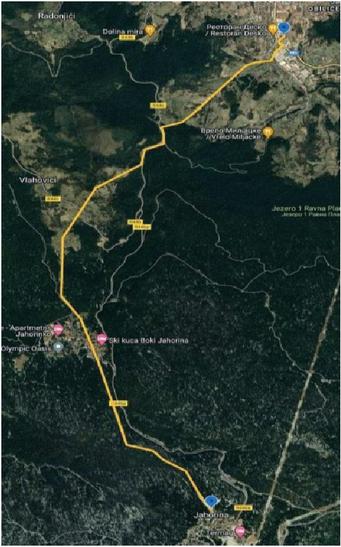
Figure 6 Layout plan for Variant I: Distribution gas pipeline from P.P. valve to MROS Jahorina (L 11,121 m).
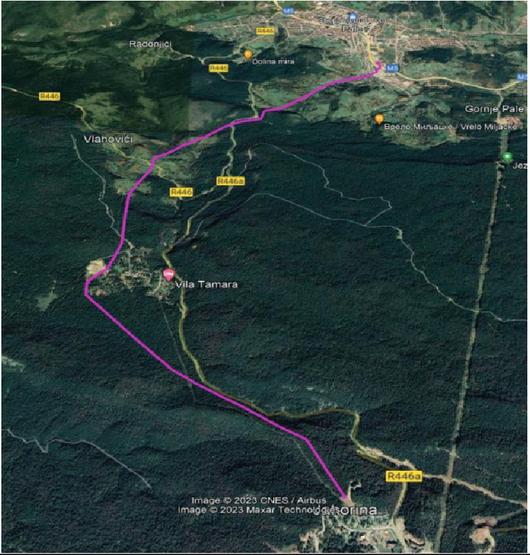
Figure 7 Layout plan for Variant II: Distribution gas pipeline from P.P. valve to MROS Jahorina (L 11,500 m).
An important step in the analysis of possible micro-locations is defining the conditions for evaluating the impact of the facility on the environment, collectively referred to as ecological criteria. In this phase, ecological criteria are used to compare and rank potential micro-locations in terms of environmental impact. When combined with other location parameters, this provides the final result.
Ecological conditions are understood as a set of parameters defining the interactions between the facility and its surroundings. These include:
• Necessary criteria for defining technical solutions for gas pipeline systems.
• Permissible levels of changes in environmental media (air, water, soil, living organisms, and material assets).
Through the appropriate selection of technical solutions, it is sometimes possible to equalize the total environmental impacts of different locations, allowing them to be ranked by the scope of interventions and required investments. However, in certain situations, due to existing conditions, it may be impossible to fit the proposed facility into the site without exceeding acceptable levels of environmental impact.
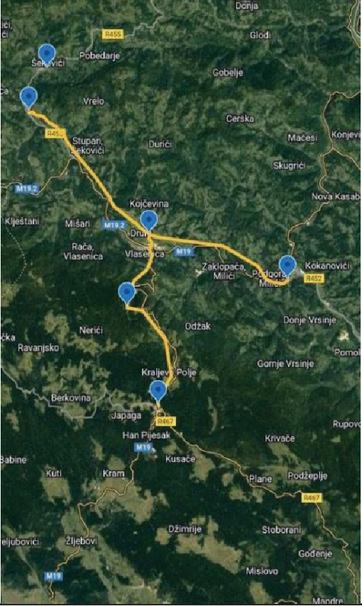
Figure 8 Layout plan for Variant I (combined): Distribution gas pipelines: Šekovići – Vlasenica – Milići (L 12,580 m) and Vlasenica – Igrište (L 5,869 m), Igrište – Han Pijesak (L 8,273 m).
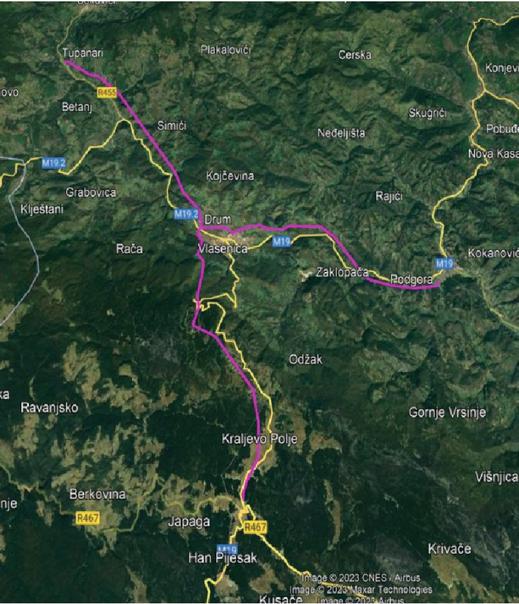
Figure 9 Layout plan for Variant II (combined): Distribution gas pipelines: Šekovići – Vlasenica – Milići (L 12,932 m) and Vlasenica – Igrište (L 4,864 m), Igrište – Han Pijesak (L 8,393 m).
Key parameters included under ecological criteria are:
• Ecological capacity of the site – assesses the ability to accommodate a potential polluting facility in the area, practically defining the maximum permissible level of pollution.
• Natural characteristics of the area – considers terrain, climate, and other environmental features relevant to location suitability.
• Characteristics of the built environment – existing infrastructure and land use that may affect or constrain facility placement.
Ecological capacity is determined either through:
• A cadastre of polluters in the area, used to calculate the background pollution level, or
• Analysis of measured pollution levels for specific pollutants at established monitoring points over a sufficiently long period.
Legally accepted norms, defining maximum permissible concentrations of pollutants in air, water, and soil, also play a crucial role in establishing ecological capacity. Existing sources of pollution in the area contribute to the background pollution level, which is considered when assessing potential environmental impacts.
Within the framework of ecological conditions, the natural characteristics of the area of interest, or the natural characteristics of specific locations, are analysed at all stages of site selection. During the macro-location identification phase, areas under nature protection (national parks, etc.) or in their immediate vicinity, as well as recreational areas, are eliminated. Areas prone to extreme meteorological events are also excluded.
In the comparison and ranking phase of potential locations, the following parameters are analysed within the ecological criteria:
• Meteorological parameters that define the dispersion of gaseous effluents in the atmosphere (primarily the distribution of wind direction and speed, atmospheric stability, and temperature inversions);
• Topographical conditions that influence the dispersion of gaseous effluents in the atmosphere;
• Hydrological parameters that define the dispersion of liquid pollutants and waste heat in surface waters;
• Hydrogeological parameters that define the dispersion of pollutants in groundwater (primarily groundwater levels and their usage, as well as characteristics of the aquifer layer with respect to pollutant migration);
• General characteristics of flora and fauna in the area affected by the facility.
Within the characteristics of the built environment, or the characteristics of the surrounding area, the following parameters are analysed:
• Population density around the location: This identifies the proximity of settlements and the density of population in specific directions; the relationship between sectors with the highest population density and the prevailing wind direction is analysed.
• Land use in the vicinity of the facility: This is analysed through the following parameters:
∘ Proximity to other industrial facilities,
∘ Proximity to the road network,
∘ Use of land for agricultural purposes,
∘ Proximity to hospitals, schools, and other specific facilities,
∘ Use of surface waters (fishing, recreation, drinking water),
∘ Use of groundwater for water supply,
∘ Proximity to cultural facilities (cultural-historical monuments, etc.).
Social justification, settlement, and development. Within these analyses, the potential development of the area, population trends, qualification structure of the population, housing conditions and residential buildings, social infrastructure facilities, and similar aspects are considered. Factors such as the proximity and characteristics of the nearest settlements, as well as the state and development of economic activities, are taken into account. In the immediate vicinity of the pipeline routes, with the exception of GMRS and MROS facility sites, there are no major industrial facilities. The population is primarily engaged in agricultural activities. The qualification structure of the population is inadequate for the needs of the gas pipeline system facilities. Since social infrastructure facilities are underdeveloped and attracting qualified personnel is difficult due to the lack of built facilities that could draw skilled workers, securing the necessary professional staff would require sourcing from more developed and larger urban industrial centres. This, in turn, would involve increased migration of the population and higher investments in social infrastructure. On the other hand, the construction of such a facility would significantly stimulate economic development in the area, as well as support the supply of the commercial network and the growth of small businesses. Based on previous analyses, it is assessed that the construction of such a gas pipeline complex would have a significant impact on economic development, so the effects on the overall economic and socio-economic development of the area are also notable, especially considering the changes that have occurred since 1990. Regarding these criteria, based on all the aforementioned points, it can be concluded that the locations are roughly equivalent due to the relatively small area of interest.
7.4 Analysis of Variant Solutions for High-Pressure Gas Pipeline Routes (Vlasenica, Milići, Igrišta, and Han Pijesak)
7.4.1 Presentation of Variant I
The initially proposed gas pipeline route, based on the preliminary presentation “Gasification of the Eastern Part of the Republic of Srpska,” consists of sections (Variant I), shown in Figure 7: the route from the BS connection to the main gas pipeline – GMRS Vlasenica, the route from the GMRS Vlasenica branch – GMRS Milići, the route GMRS Vlasenica – MROS Igrište, and the route MROS Igrište – MROS Han Pijesak.
The drawbacks related to this variant solution, which concern existing or planned land use based on the submitted spatial-planning documentation for each municipality, are:
• The planned position for GMRS Vlasenica is within the RP Industrial Zone Kula Zeban; three pipeline sections diverge from the proposed GMRS, see Figure 10.
• On the planned route from Vlasenica to Igrište, there are several buildings, 4–5 of which are directly on the pipeline route, see Figure 11.
• On one short section, the pipeline passes between two sacred sites, which could be identified as a single cemetery parcel, see Figure 11.
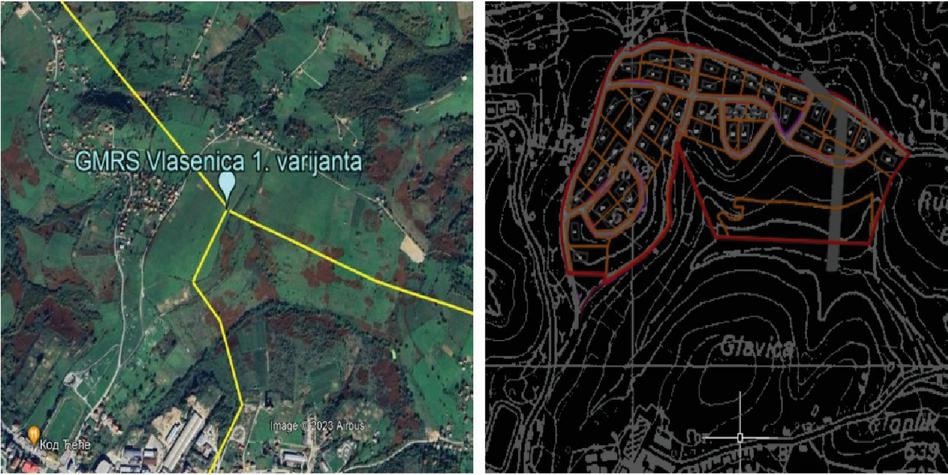
Figure 10 Issues due to RP Industrial Zone Kula Zeban.
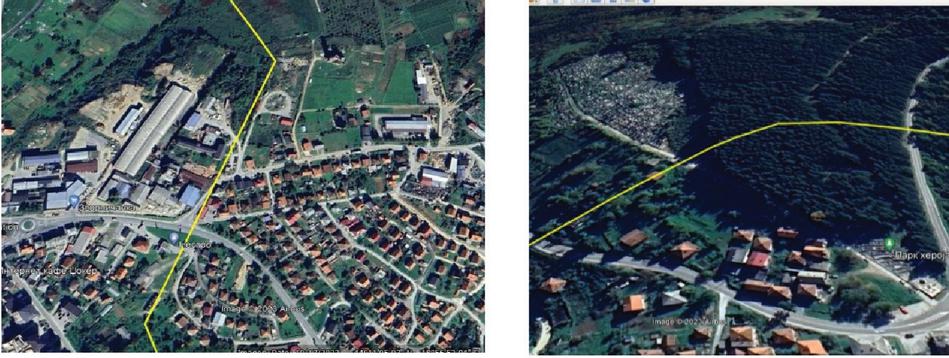
Figure 11 Issues on the pipeline segment from Vlasenica to Ski Center Igrište.
7.4.2 Presentation of Variant II
The proposed gas pipeline route consists of sections (Variant II), Figure 9: route – BS connection to the main gas pipeline – GMRS Vlasenica, route – Branch to GMRS Vlasenica – GMRS Milići, route – GMRS Vlasenica – MROS Igrište, and route – MROS Igrište – MROS Han Pijesak.
Characteristics and some potential drawbacks related to this variant solution refer to the option of changing the originally analysed location of GMRS Vlasenica:
• The planned position for GMRS Vlasenica, according to Variant II, as well as the pipeline sections towards Igrište and Milići, are placed outside areas with a high built-up coefficient (Figure 12);
• To avoid the area covered by RP Kula Zeban, the Vlasenica–Milići section partially passes through a plot that can be identified as an old cemetery, while the majority of that site is bypassed;
• Any potential impossibility of constructing the pipeline along the mentioned section could be overcome by modifying the regulatory plan to provide a corridor for the pipeline (Figure 13).
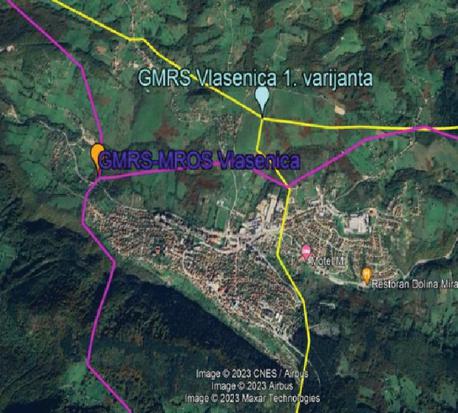
Figure 12 Planned location for GMRS Vlasenica, as well as the pipeline sections towards Igrište and Milići, according to Variant II.
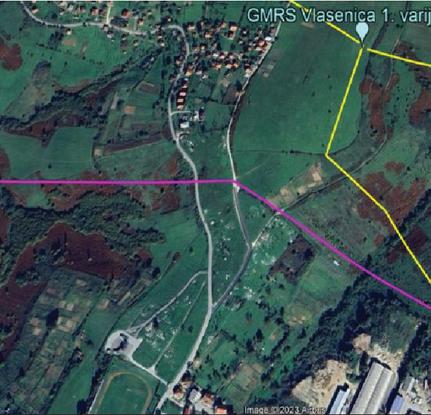
Figure 13 Contested section of the Vlasenica – Milići pipeline route.
7.4.3 Comparative analysis of Variant I and Variant II
The lengths of individual sections and other characteristics are provided in Table 7.
Table 7 Presentation of lengths of individual sections of gas distribution pipelines and other characteristics
| Variant I | Variant II | |||
| Section (Route) of the Gas | Horizontal | Actual length, | Horizontal | Actual length, |
| Distribution Pipeline | length, m | approx. m | length, m | approx. m |
| Blockade station – connection to the main gas pipeline – GMRS Vlasenica | 12,580 | 13,000 | 11,766 | 12,300 |
| Separation for GMRS Vlasenica – GMRS Milići | 11,121 | 11,500 | 12,932 | 13,200 |
| GMRS Vlasenica – MROS Igrište | 5,869 | 6,000 | 4,864 | 5,100 |
| MROS Igrište – MROS Han Pijesak | 8,273 | 8,500 | 8,393 | 8,600 |
The comparative layout of the selected routes according to Variant I and Variant II is shown in Figure 14.
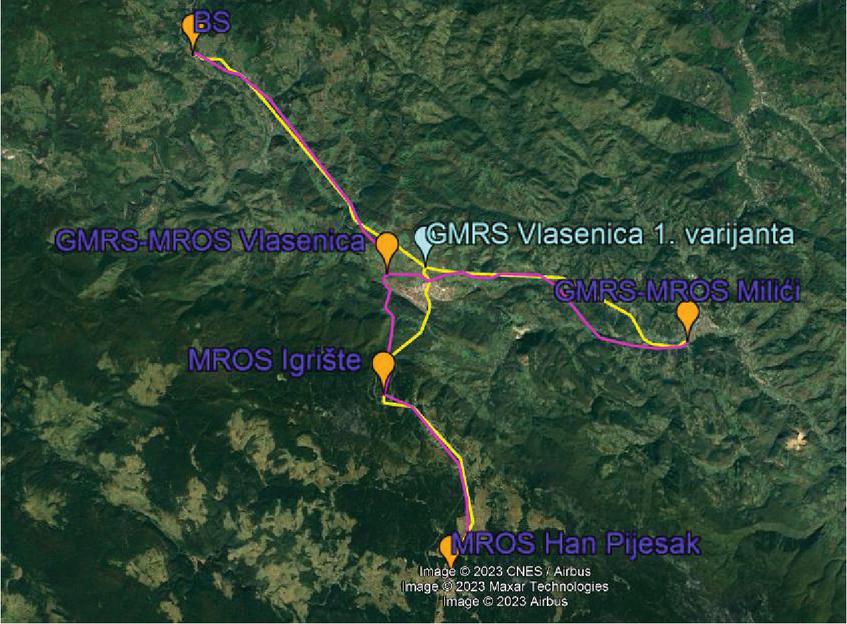
Figure 14 Comparative layout of the gas pipeline routes according to Variant I and Variant II.
The deviations in the spatial arrangement of individual sections are related to the following (Figure 15).
The proposed sections Vlasenica – Igrište differ in their initial alignment:
• The exact location of MROS Igrište needs to be coordinated in accordance with spatial planning documentation.
• In Variant II, MROS Igrište is positioned outside the platform assumed to accommodate other facilities.
• In Variant II, the final part of the section towards Milići is positioned closer to the main traffic routes. Both sections are applicable in Variant I and Variant II.
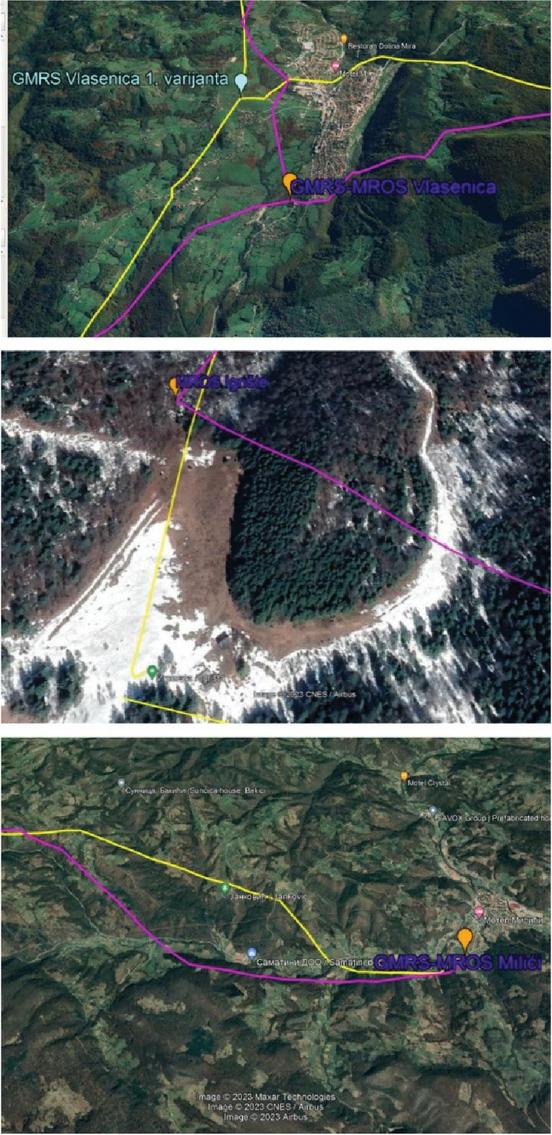
Figure 15 Deviations in the spatial arrangement of individual sections for Variants I and II.
7.4.4 Vertical profiles of the pipeline sections (Google Earth Pro)
Figure 16 shows the vertical profiles of the pipeline sections.
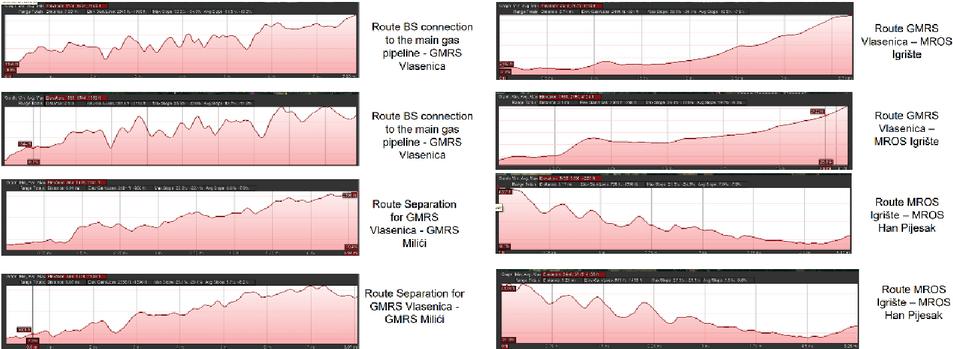
Figure 16 Vertical profiles of the pipeline sections (Google Earth Pro).
It should be noted that, due to difficulties in obtaining appropriately scaled maps from the Investor, the pipeline route analysis was carried out using the Google Earth Pro environment.
7.4.5 Analysis of high-pressure gas pipeline route alternatives (Pale–Jahorina)
Route according to Variant I
The originally proposed route consists of the section MRS KPG/GMRS Pale – MROS Jahorina, shown in Figure 6.
A potential drawback of this alternative solution relates to the pipeline section in the area of the Vlahovići settlement and Jahorinska Dvorišta, shown in Figure 16. Due to the high density of existing development in this area, the pipeline route cannot follow a continuous alignment without passing in close proximity to or directly over existing structures.
Route according to Variant II
The proposed gas pipeline route consists of the sections MRS-KPG/GMRS Pale – MROS Jahorina, shown in Figure 17.
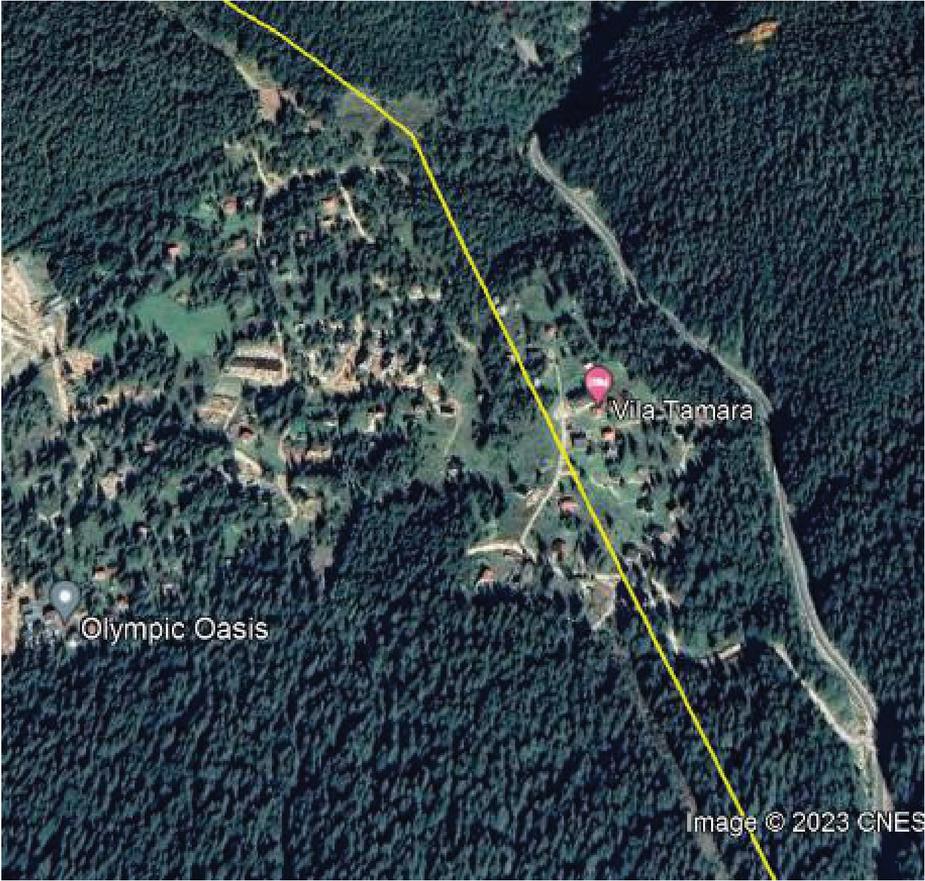
Figure 17 Potential Drawback on the Pale – Jahorina Route According to Variant I.
Comparative analysis of Variant I and Variant II
The lengths of the sections and other characteristics are presented in Table 8.
Table 8 Overview of the Pale – Jahorina distribution pipeline section length and other characteristics
| Variant I | Variant II | |||
| Section (Route) of the Gas | Horizontal | Actual length, | Horizontal | Actual length, |
| Distribution Pipeline | length, m | approx. m | length, m | approx. m |
| MRS KPG/GMRS Pale – MROS Jahorina | 9,226 | 9,600 | 9,333 | 9,900 |
The comparative layout of the Pale – Jahorina routes is shown in Figure 18. The deviations in spatial arrangement between the two variants are as follows (Figure 19):
• In Variant II, the route is significantly shifted to bypass structures in the settlement of Vlahovići and the entire settlement of Jahorinska Dvorišta.
• In the section of the pipeline running through the urban part of Pale, both variants face certain difficulties in properly situating the pipeline route, as 3–4 commercial buildings are located directly on or near the path.
• Additionally, this route passes through plots that are not public areas, which will require property-related resolutions.
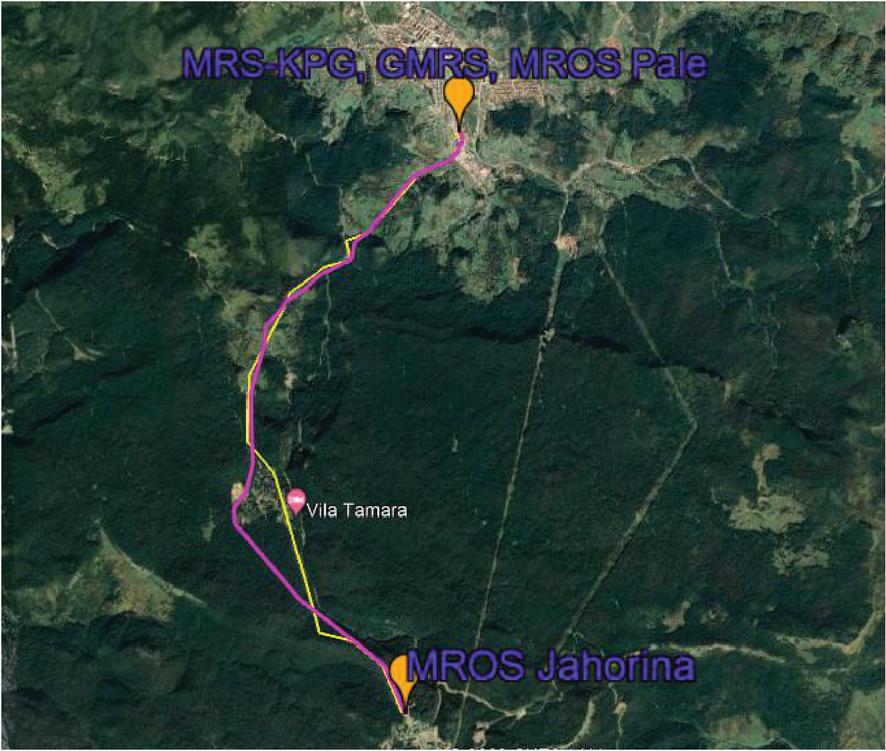
Figure 18 Comparative Layout of the Pale – Jahorina Gas Pipeline Routes According to Variant I and Variant II
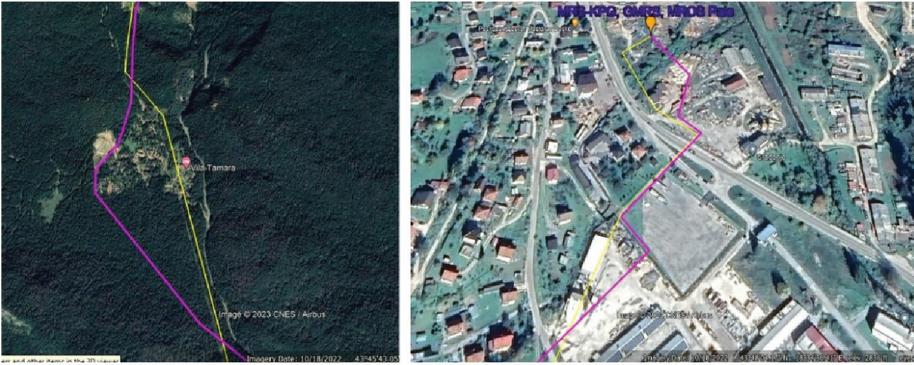
Figure 19 Illustration of Issues Along the Defined Pale – Jahorina Routes According to Variant I and Variant II.
Vertical profiles of the Pale–Jahorina section (Google Earth Pro)
Similar to the notes provided for Figure 16, Figure 20 shows the vertical profile of the Pale–Jahorina pipeline section for Variant I and Variant II.
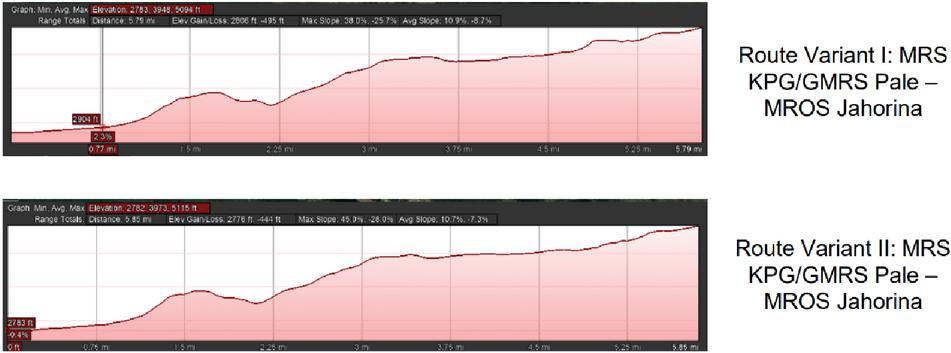
Figure 20 Vertical profiles of the Pale–Jahorina section (Google Earth Pro).
7.5 Ranking and Selection of Potential Micro locations from the Perspective of Selected Pipeline Implementation Scenarios
The construction of a concrete analytical model for solving problems in construction begins with defining the level to which the model applies. That is, for the strategic decision-making level, the set of criteria and the generation of actions (alternatives) will certainly follow a different procedure compared to lower decision-making levels. If the division into strategic and tactical levels is accepted (where the tactical level is not considered in this context because a positive stance on gasification is already reflected in strategic and planning documents, as previously noted), then the strategic decision-making level can adopt a macro-territorial approach in defining actions, as well as a time horizon of 3 to 5 years. For lower decision-making levels, a meso- and micro-territorial approach is characteristic, specifically concerning the territory of a regional unit (the eastern part of the Republic of Srpska) or a part of it (municipalities of the eastern part of the Republic of Srpska included in the project assignment for the Gasification Study of the eastern part of the Republic of Srpska, and individual municipalities or parts thereof), with timeframes shorter than 3 years, down to several months.
In addition to “territory” and “time period,” a number of other parameters can be used at the tactical and operational decision-making levels to generate actions (e.g., construction execution technology, prefabrication works, specific parts of the gasification project not covered by this Study but of high importance, such as the implementation of municipal distribution networks, companies assigned to perform specific tasks, expected economic and financial outcomes, etc.).
In defining criteria, the so-called “target analysis” is highly useful, i.e., the analysis of objectives that are intended to be achieved by solving the defined problem. Naturally, even in target analysis, it is necessary to select the level to which the model applies, especially because, at a higher level, some objectives are introduced (come) from the external environment. Achieving the set objectives is a basic prerequisite of any decision-making process. However, the process of defining objectives is often arduous because decision-makers may believe their objectives are entirely clear, or they may be under pressure to make pre-recognized decisions. In general, there is a lack of a structured approach that would enable efficient and rapid systemic analysis of objectives, making experience and teamwork, alongside methodology, the best guarantee of success.
A common situation in practice is the occurrence of goal conflicts at the strategic level. It often happens that objectives coming from the external environment conflict with objectives generated within the system. This conflict further extends to criteria, which are often in conflicting positions. The conflicting nature of criteria is caused by the “poorly structured” nature of the problem, and it can be concluded that a fundamental characteristic of “normal” (everyday) problems is the conflict of dominant criteria (for example, if a product is high-quality, it is usually expensive; or if a product is technologically sophisticated, its maintenance is more demanding and complex, etc.). The very presence of conflicting criteria justifies the use of ranking methods or multi-criteria analysis methods, because “classical” methods, including intuitive decision-making, cannot determine the optimal solution to the problem. As already noted, criteria comprehensively model the characteristics of the problem, and by assigning appropriate weights, the preferences of decision-makers can also be expressed numerically. Criteria also represent a measure of system characteristics, such as economy, effectiveness and efficiency, full employment, functionality, etc., which are intended to be optimized in order to satisfy the set objectives related to the gasification of this part of the Republic of Srpska. Most authors who have studied the application of multi-criteria analysis for the evaluation of investment projects – similar to its use in the TE Stanari project for multi-criteria micro location selection – typically classify criteria into four or five groups: economic-financial criteria, technical-technological criteria, socio-political criteria, and ecological criteria, or alternatively with a separate category for safety criteria (which are particularly important for pipeline routes). Equal or different sums of weights are usually assigned to these groups of criteria, and within each group, the distribution of weights to individual criteria is most often determined through expert team surveys or based on experience with similar facilities or equipment. Some authors applied ranking methods and emphasized the need to assign greater weights to the ecological criteria and to criteria related to legislation and legal regulation. In order for all criteria to be measurable and treated equally, they need to be incorporated into the evaluation process (not all criteria are directly quantitatively measurable). For this reason, such problems are best solved using multi-criteria methods, which fully satisfy these requirements.
7.5.1 Scenarios, weights, and programmatic solutions
It is always desirable to determine weight values through a systematic analysis involving a wide circle of experts, direct participants, and all other interested stakeholders. This also includes an appropriate sensitivity analysis of the obtained solution. The alignment of weight values for groups of criteria and individual criteria, as well as the evaluation of potential locations according to the proposed criteria, was conducted based on the assessment of a group of experts. For all adopted criteria, it was necessary to define weight values, where certain criteria were given priority over others. A weight value can significantly affect the acceptability of a given action, indicating the extent to which each criterion contributes to determining the priority location.
After determining the weight values for the criteria, the criterion values for each potential location were assessed. In this example, qualitative evaluation on a scale from 1 to 10 was applied to all numerically non-measurable criteria. Measurable criteria were taken according to their calculated values. In the first economic scenario, economic criteria were given priority, while sociological criteria were secondary and therefore assigned a lower weight. Conversely, in the second scenario, social (sociological) criteria were emphasized, while the importance of economic criteria was reduced.
7.5.2 Results of the analysed problem
The assessment of the favourability of a particular micro location in comparison to others, i.e., the ranking of the considered micro locations, is carried out based on the comparison of several mutually independent variables or requirements. These variables often cannot be evaluated using a common metric, and fulfilling them is in most cases a matter of compromise.
The comparative analysis was conducted by comparing predefined indicators, considering the following factors:
• Topographic conditions,
• Required space and land occupancy,
• Seismicity,
• Natural gas supply conditions,
• Conditions for transport and storage of equipment,
• Water supply conditions,
• Connection to the power grid,
• Road network connections,
• Ecological criteria,
• Economic conditions,
• General social justification and development
This evaluation was made under the assumption that for each specific micro location, the most favourable technical-technological solution for the gas pipeline with its associated above-ground facilities and necessary infrastructure was selected.
The criteria used to assess the degree of fulfilment of these requirements can be either:
• Quantitative, allowing evaluation and comparison of locations using economic indicators, e.g., differences in investment costs or operating expenses, which vary depending on the location of the gas pipeline facility; or
• Qualitative, where the favourability of the location cannot be directly expressed in economic terms and is evaluated descriptively.
Due to the different nature and impact of each criterion, a prior comparative analysis covering all influential factors was conducted.
Considering each criterion individually in terms of its evaluation, it is clear that they are not of equal significance, so it is necessary to determine the relative importance of each criterion. Based on the overall assessment of the importance of each individual criterion, ecological criteria were assigned the highest rank, while economic criteria were already assessed through conditions for the procurement of natural gas, materials, equipment, and connection to the power grid within the comparative analysis. The impact of these criteria is undeniably significant, primarily considering the clear decision not to construct a facility that is not environmentally acceptable or that incurs higher costs than an alternative.
The second rank of significance was assigned to all other criteria. Within the comparative analysis, only the qualitative aspects of these criteria were evaluated, and for this reason, they were placed in the second rank of importance, as shown in Table 9.
Table 9 Summary of location ranking based on partial analyses for the two considered variants
| Add Rank | ||
| Parameter | Variant I | Variant II |
| Topographical conditions, required space and occupation of space | 2 | 1 |
| Seismicity, proximity to faults, landslides, etc. | 1,2 | 1,2 |
| Conditions of delivery of materials and equipment | 1,2 | 1,2 |
| Conditions for depositing materials and equipment | 2 | 1 |
| Conditions of water supply – waste water | 1,2 | 1,2 |
| Conditions for connecting to the power grid | 1,2 | 2 |
| Conditions for connection to roads | 1,2 | 1,2 |
| Ecological criteria | 1 | 2 |
| Economic criteria | 1 | 2 |
| Social justification, population, development | 1,2 | 1,2 |
| Final ranking | 1,2 | 1,2 |
Based on the conducted analyses and their comprehensive consideration, taking into account the defined criteria and their ranks of importance, it is not possible to determine with sufficient reliability a scenario for the implementation of the gas pipeline routes with the necessary above-ground facilities.
7.5.3 Results of the analysed problem
Variant I and Variant II, with routes that consider the initial alignments from the presentation and limiting criteria (Figures 5 to 8), providing a combined overview of the routes for the municipalities of Šekovići, Vlasenica with the Igrišta ski centre, Han Pijesak, and Milići, are proposed as the starting points for further consideration in the process of preparing project documentation (Figures 13 and 18). In this evaluation, Variant I is significantly more favourable in terms of land acquisition, whereas Variant II requires considerably higher funds as it primarily involves private property. Variant I also require certain activities related to land-use conversion.
The planned intervention, which is the subject of this Study, involves the establishment of gas pipeline routes with associated equipment within the local self-government units of the municipalities of Pale-Trnovo, which includes the Jahorina Olympic Center, Šekovići, Vlasenica, which includes the Igrišta ski center, Milići, and Han Pijesak. During the construction of this Gas Pipeline System with the associated equipment, no land outside the immediate area will be temporarily occupied, meaning that the entire construction process will not require the establishment of auxiliary construction facilities, plants, access roads, or similar infrastructure in the surrounding area.
7.6 Problems in Using Multi-Criteria Optimization
A significant drawback in applying the theoretical model of multi-criteria optimization for route selection in practice is the lack of necessary data to evaluate the variants against all selected criteria. Considering that economic-financial indicators are always processed at the level of study analysis, it is simplest to evaluate solutions from an economic-financial standpoint. In order to even proceed with the construction of a gas pipeline system, it must be economically viable for each of the considered variants. Problems arise when evaluating solutions based on ecological and social criteria. For qualitative assessment of solutions from an ecological perspective, it is necessary to record the initial baseline state of existing pollution at the location, which requires monitoring the quality of air, water, and soil for at least 1 to 2 years (optimally over a period of 5 to 10 years). After obtaining and processing the results, it is necessary to analyse all influential indicators relevant for ecological evaluation. Subsequently, for each variant, it must be determined how it changes the existing state, to what extent, and whether it alters it positively (improving the existing condition) or negatively (worsening the existing condition). If the considered variants have an equal impact according to a particular criterion, it must be determined whether such an impact is acceptable at all, or whether the criterion can be disregarded. It is important to note that tolerance limits can be set for some criteria. If a variant exceeds this limit, it can be eliminated before proceeding to selection based on multi-criteria optimization. The problem in determining the ecological and social impact of variant solutions at the level of preparing a study on the economic feasibility of construction is the generally poor treatment of ecological and social indicators, which results from insufficient monitoring and analysis of these indicators. The consequence is an inadequate amount of data or data with problematic reliability, which are necessary for solutions to be properly evaluated from ecological and social perspectives.
7.7 Comparison of the Applied Approach with Similar Approaches in the Literature
Various approaches to gas pipeline routing that utilize multi-criteria decision-making (MCDM) methods and GIS technologies have been identified in the literature. Examples include the study by [57], which employs the AHP/GIS approach for pipeline routing; [77], who combine LCPA + MCDM for automated routing; as well as other studies emphasizing risk management or network optimization. Notably, [78] analysed pipeline routing with an emphasis on environmental compatibility, an aspect also considered in the model presented in this paper. Unlike this study, where environmental criteria are prioritized, the referenced model encompasses a broader spectrum (technical + socioeconomic + environmental) but provides a somewhat less detailed treatment of individual environmental factors. These criteria will be further addressed within the framework of the forthcoming Environmental Impact Assessment Study. In comparison, our approach focuses on the problem of selecting optimal routes for distribution gas pipelines together with their above-ground infrastructure. Regarding the gasification of the Heating Plant INS a.d. East Novo Sarajevo and the expansion of the PET distribution network in the area of East Ilidža, in addition to the ecological benefits achieved through the transition to a new energy source – natural gas – one of the main objectives is to enhance energy efficiency, primarily by reducing electricity consumption for heating, cooling, and air conditioning, as well as by decreasing the use of other energy sources such as firewood. In this context, the locations associated with the reconstruction and expansion of the gas network, along with the gasification of Heating Plant INS a.d. East Novo Sarajevo, within the municipalities of East Novo Sarajevo and East Ilidža, have already been defined by the heating plant’s location and existing pipeline segments. Therefore, there is no need for an analysis of additional route alternatives. The presented approach includes the following key elements:
• selection of technical, environmental, and socio-economic criteria and sub criteria;
• assignment of weights to each criterion and sub criterion;
• comparison and ranking of alternative solutions; and
• selection of the most optimal alternative with a corresponding justification.
Compared with procedures available in the literature, the applied method is similar to that of [57], as it partially integrates GIS + MCDM; and also, to [77], who employed GIS + “least cost path analysis” (LCPA) combined with cartographic simplification for a ~156 km pipeline route in Turkey. Their results demonstrated approximately 20% cost reduction compared with the traditional route. This example – illustrating the integration of spatial analysis (GIS), automated routing, and weighted criteria – was also incorporated into our algorithm. Furthermore, the doctoral dissertation by [79] served as a reference for integrating the economic and regulatory components. The author developed a decision-making model for transcontinental pipeline routing that simultaneously integrates economic, regulatory, and environmental factors within a GIS-supported multi-criteria framework. The key innovation lies in linking regulatory constraints (such as concessions, international corridors, and border zones) with economic indicators of cost and risk, thereby creating a more realistic optimization space. This approach is particularly useful for studies such as ours, as it enables quantification of legal and institutional factors in the early stages of pipeline design. In addition, the study by [80] highlighted that sensitivity and risk analysis can serve as valuable additions – elements not fully implemented in our present study.
Some recent analyses (e.g., [81]) suggest that multi-objective models – those considering multiple goals such as cost minimization and supply security maximization – can yield more robust results. The authors developed a multi-objective mathematical model based on Pareto optimality, enabling the simultaneous consideration of several objectives. They applied the NSGA-II (Non-Dominated Sorting Genetic Algorithm) and linear programming methods for optimizing pressure, flow, and capacity across gas networks. The model was tested on several pipeline systems of different scales (from local to national networks). In this regard, our study also accounts for economic and socio-economic criteria, aligning with the most recent research trends.
As an additional recommendation for the subsequent phases of this study, it would be beneficial to include:
• automatic generation of alternative routes,
• sensitivity analysis of weights and criteria, and
• scenario analysis, which could further enhance the applicability and robustness of the obtained results.
7.8 Conclusion
Planning of linear infrastructure systems, such as transmission gas pipelines, requires the timely identification of construction needs, which involves forecasting natural gas capacity based on projected consumption, reserving the necessary land areas, and stimulating new energy consumers. Timely planning ensures that all activities related to the design and construction of the system are completed before an actual demand arises, thereby enabling the smooth operation and continuous development of the distribution network for delivering natural gas to end users. This process must be aligned with existing development plans – namely, the energy strategy, spatial plan, zoning regulations, and the economic policy of the Government of the Republic of Srpska.
The key steps in planning transmission gas pipelines include the preparation of a conceptual economic feasibility study with multiple route variants, the selection of the optimal solution, and the development of parcellation plans and project documentation up to the construction phase of the system. The application of multi-criteria optimization (MCO) enables a structured and objective selection of optimal solutions by establishing a system of criteria that encompass economic, environmental, and social aspects. However, practical experience shows that environmental and social criteria are currently less developed, primarily due to the lack of relevant data and insufficient monitoring of indicators. Enhancing the quality and availability of these datasets would allow for more precise evaluation of alternative solutions and improve the overall efficiency of the multi-criteria decision-making process. Additionally, the introduction of tolerance thresholds for specific criteria could accelerate the selection process and eliminate inadequate alternatives in the early stages of analysis.
The practical application of these principles has been demonstrated through the example of selecting the optimal route for a transmission gas pipeline, where site plans and facility layouts were designed while considering technological functionality, topography, surrounding structures, and spatial planning constraints. This approach highlights the importance of system analysis and multi-criteria decision-making in the planning of linear infrastructure systems.
The scope of future research includes:
1. Improvement of criteria and data collection – developing methodologies for systematic acquisition, updating, and processing of environmental and social data to enable higher-quality evaluation of route alternatives;
2. Integration of new technologies in planning – applying GIS systems, digital twins, and real-time simulations for the optimization of routing and pipeline corridor design;
3. Risk and resilience assessment – investigating methods for quantifying technical, economic, and environmental risks for each alternative and developing system resilience scenarios under crisis conditions;
4. Social and regulatory aspects – analysing the impact of consumer incentives, public acceptance, and regulatory policies on the selection of optimal solutions;
5. Extended multi-criteria optimization – exploring new algorithmic approaches and heuristics that enable simultaneous evaluation of a large number of criteria and alternatives, including the integration of economic, environmental, and social factors; and
6. Comparative studies and knowledge transfer – analysing the application of multi-criteria optimization in other countries and regional contexts, including the Western Balkans, to adopt best practices and adapt them to local conditions.
Such a research focus supports the further development of methodologies for transmission gas pipeline planning, enhances decision-making processes, and contributes to the sustainable development of infrastructure systems in accordance with economic, environmental, and social objectives.
References
[1] Z. Milovanović et al., ‘Study of the gasification of the eastern part of the Republic of Srpska, Expansion of the distribution network in the municipalities of East Novo Sarajevo and East Ilidža and Gasification of the municipality of Pale – Trnovo, the Olympic center of Jahorina, the municipality of Šekovići, the municipality of Vlasenica, the ski center of Igrišta, the municipality of Milići and the municipality of Han Pijesak’, Book I: Study, Sarajevo Gas ad East Sarajevo, Banja Luka, Prnjavor, 2023.
[2] Z. Milovanović et al., ‘Study of the gasification of the eastern part of the Republic of Srpska, Expansion of the distribution network in the municipalities of East Novo Sarajevo and East Ilidža and Gasification of the municipality of Pale – Trnovo, the Olympic center of Jahorina, the municipality of Šekovići, the municipality of Vlasenica, the ski center of Igrišta, the municipality of Milići and the municipality of Han Pijesak’, Book II: Attachments, Sarajevo Gas ad East Sarajevo, Banja Luka, Prnjavor, 2023.
[3] Z. Milovanović, ‘Monographs: Energy and Process Plants, Volume 1: Thermal Power Plants – Theoretical Foundations, University of Banja Luka, Faculty of Mechanical Engineering Banja Luka, Banja Luka, 2011 (in Serbian), pp. 80–358.
[4] Z. Milovanović, ‘Monographs: Energy and Process Plants, Volume 2: Thermal Power Plants – Technological Systems, Design and Construction, Exploitation and Maintenance’, University of Banja Luka, Faculty of Mechanical Engineering Banja Luka, Banja Luka, pp. 682–784, 2011.
[5] I. Hot, ‘Management of creation of general projects in the field of infrastructure by use of multi-criteria analysis Management of conceptual designs creation in field of infrastructure by use of multi-criteria analysis’, University of Novi Sad Faculty of Technical Sciences, Doctoral Dissertation, Novi Sad, 2014.
[6] Lj. Papić, Z. Milovanović, ‘Systems Maintainability and Reliability’, The Research Center of Dependability and Quality Management, Book 3, DQM, Prijevor, pp. 14–168, 2007.
[7] Z. Milovanović, Lj. Papić, S. Dumonjić-Milovanović, A. Milašinović, D. Knežević, ‘Sustainable Energy Planning: Technologies and Energy Efficiency’, DQM monograph library Quality and reliability in practice, Book 9, Prijevor, p. 779, 2011.
[8] Z. Milovanović, S. Milovanović, V. Janičić Milovanović, S. Dumonjić-Milovanović, D. Branković, ‘Modeling of the Optimization Procedure for Selecting the Location of New Thermal Power Plants (TPP)’, International Journal of Mathematical, Engineering and Management Sciences, Vol. 6, No. 1, pp. 118–165, 2021.
[9] Z. Milovanović, S. Dumonjić-Milovanović (2015), ‘Algorithm for optimization method of new thermoenergetic power plant (TPP) and energy efficiency, Proceedings / Scientific and professional symposium Energy efficiency ENEF 2015, Banja Luka, 2015. ISBN 978-99955-46-23-6.
[10] Z. Milovanović, S. Dumonjić-Milovanović, A. Milašinović, D. Knežević, ‘Application of multi-criteria decision-making for the selection of the microlocation of new thermal power plants (TEP), Thematic collection “Analytical hierarchical process – theoretical foundations and application in energy, working and environmental protection and education”’, Mathematics Institute SANU Belgrade, pp. 21–47, 2015.
[11] D. De Wolf, ‘Optimisation de réseaux de transport de gaz avec considération des pertes de charge dans le gazoducs’. Ph. D. thesis, Université Catholique de Louvain, 1992.
[12] LJ. Kuzović, B. Aleksić, D. Glavić, ‘Application of multi-criteria analysis in the evaluation of road projects’, Tehnika, vol. 70, br. 1, pp. 143–150, 2015.
[13] S. Opricović, ‘Multi-criteria system optimization in construction, Faculty of Civil Engineering, Belgrade’, 1998.
[14] T. Zelenović, ‘Application of GIS, analytical hierarchical process and phase logic in the selection of locations of regional landfills and transfer stations’, Doctoral dissertation – author’s reprint, Novi Sad, 2011.
[15] T. Poletan, ‘Multi-criteria analysis in the valorization of the Pan-European Corridor of the VB’, 302. Pomorstvo, vol. 19, pp. 302–306, 2005.
[16] Y. Ş. Murat, O. Kulak, ‘Ulaşim ağlarinda bilgi aksiyomu kullanilarak güzergah (rota) seçimi’, Journal of engineering sciences, Pamulkkale Universitesi, 11-3, pp. 425–435, 2005.
[17] N. Tunalioglu, T. Öcalan, ‘Üç boyutlu karayolu güzârgah optimizasyonunda karar destek sistemi olarak genetik algoritmalarin kullanimi’, TMMOB Harita ve Kadastro Mühendisleri Odasi, 11. Türkiye Harita Bilimsel ve Teknik Kurultay, Ankara, 2007.
[18] F. Yakar, ‘Karayolu güzergâh tespitinde çevresel kriterlere de yer veren coğrafi bilgi sistemleri tabanli çok kriterli bir model önerisi’, Doctoral dissertation – author’s reprint, Trabzon, 2011.
[19] S. Demircan, ‘Çoklu etmenler kullanılarak enerji nakil hattı güzergâh optimizasyonu/ The road optimization of energy transmission line with multi agent systems’, Selçuk Üniversitesi Fen Bilimleri Enstitüsü, Konya, 2009.
[20] M. Kosijer, M. Ivić, M. Marković, I. Belošević, ‘Multi-criteria decision-making in planning and designing the route of the railway line’, Gradjevinar 3, pp. 195–205, 2012.
[21] M. V. Lisboa, J. Waisman, ‘Multicriteria analysis in the selection of urban highway alignment alternatives with application of the analytic hierarchy process: An environmentally sustainable approach’, WIT Transactions on The Built Environment, Vol. 89, 2006.
[22] A. Puška, ‘Ranking of investment projects using the Vikor method’, Singidunum review, 8(2), pp. 33–39, 2011.
[23] D. Toraman, ‘Mekansal çok ölçütlü karar analizi: Ulastirma için güzergah seçenekleri / Spatial multi criteria decision analysis: alternative routes for transportation’, Master’s thesis – author’s reprint, Istanbul Teknik Üniversitesi, Istanbul, 2009.
[24] D. Mihajlov, ‘Multi-criteria optimization of the choice of measurement strategy for assessing the long-term value of noise indicators in the environment’, Doctoral dissertation, Faculty of Occupational Safety, Niš, 2016.
[25] Z. Milovanovic, D. Kneževic, A. Milašinovic, S. Dumonjic-Milovanovic, ‘Optimization of the selection of the concept of a small hydroelectric power plant at a pre-determined macro location using the multi-criteria ranking method – MHE Suceska installed capacity 2x1,015 MW’, Archive for Technical Sciences 2011, 5(1), pp. 9–18, 2011.
[26] Z. Milovanović, F. Begić, M. Samardžić, D. Jeremić, S. Dumonjić Milovanović, J. Škundrić, ‘Optimization of microlocation selection of thermal power plant ’Stanari’ using multi-criteria ranking method’, Termotehnika, vol. 37, br. 1, pp. 85–101, 2011.
[27] Z. Milovanović, F. Begić, M. Samardžić, D. Jeremić, S. Dumonjić Milovanović, J. Škundrić, ‘Optimizing the choice of the microlocation of the thermal power plant using the multi-criteria ranking method – theoretical basis’, Termotehnika, vol. 37, br. 1, pp. 29–40, 2011.
[28] Z. Milovanović, D. Branković, V. Janičić Milovanović, ‘Assessment of Wind Energy Potential and Selection of Wind Park Location on the Example of the Trusina Mountain Ridge (Republic of Srpska, Bosnia and Herzegovina)’, Journal of Graphic Era University, 12(02), pp. 329–362, 2024.
[29] G. Pejièić, M. Vrbanac, M. Vukadinović, ‘Optimal energy efficient building design using improved evolutionary algorithm’, Archives of Technical Sciences, 2012, 7(1), pp. 43–48, 2012.
[30] R. V. Rao, ‘Decision making in the manufacturing environment using graph theory and fuzzy multiple attribute decision making methods’, London: Springer-Verlag, 2007.
[31] R. V. Rao, V. Patel, ‘An improved teaching-learning-based optimization algorithm for solving unconstrained optimization problems’, Scientia Iranica 20(3), pp. 710–720, 2013.
[32] N. Begićević, ‘Multi-criteria decision-making models in the strategic planning of the introduction of e-learning’, Dissertation, University of Zagreb, Faculty of organization and informatics, 2008.
[33] J. Lu, D. Ruan, ‘Multi-Objective Group Decision Making: Methods, Software and Applications with Fuzzy Set Techniques (With CD-ROM)’, Imperial College Press, London, 2007. https://doi.org/10.1142/p505.
[34] A. J. Osiadacz, ‘Simulation and analysis of gas networks’, E. & F.N. Spon, London, 1987.
[35] M. Mohitpour, W. Thompson, B. Asante, The importance of dynamic simulation on the design and optimization of pipeline transmission systems’, Proceedings of ASME International Pipeline Conference, vol. 2, pp. 1183–1188, Calgary, Canada, 1996.
[36] W. Sung et al, ‘Optimization of pipeline networks with A hybrid MCST-CD networking model’, SPE Production and Facilities, August, volume 13, no. 3, pp. 213–219, 1998.
[37] C. K. Sun, U. Varanon, C. W. Chan, ‘Tontiwachwuthikul P. An integrated expert system / operations research approach for optimization of natural gas pipeline operations’, Eng Appl Artif Intell, 13, pp. 465–475, 1999.
[38] R. Z. Rios-Mercado, S. Wu, L. R. Scott, E. A. Boyd, ‘A Reduction technique for natural gas transmission network optimization problems’, Annals of Operations Research, vol. 117, pp. 217–234, 2002.
[39] D. Cobos-Zaleta, R. Z. Rios-Mercado, ‘A MINLP model for a minimizing fuel consumption on natural gas pipeline networks’, XI Latin-Ibero-American conference on operations research, 27-31 October, Concepión, Chile, 2002.
[40] T. Mora, M. Ulieru, ‘Minimization of energy use in pipeline operations – an application to natural gas transmission systems’, Industrial Electronics Society, IECON, 31st annual conference of IEEE, 2005. ISBN: 0-7803-9252-3.
[41] C. Chauvelier-Alario, B. Mathieu, C. Toussaint, ‘Decision making software for Gaz de France distribution network operators’, Carpathe, 23rd World Gas Conference, Amsterdam, Netherlands, 2006.
[42] J. André, F. Bonnans, L. Cornibert, ‘Planning reinforcement on gas transportation networks with optimization methods’, Process Operation Research Models and Methods in the Energy Sector Conference, ORMMES, Coimbra, Portugal, 2006.
[43] J. Andre, F. Bonnans, L. Cornibert, ‘Optimization of capacity expansion planning for gas transportation networks’, European Journal of Operational Research, Elsevier, vol. 197(3), pp. 1019–1027, 2009.
[44] M. Abbaspour, K. S. Chapman, P. Krishnaswami, ‘Nonisothermal compressor station optimization’, Journal of energy resources technology, vol. 127, no. 2, pp. 131–141, 2005.
[45] I. E. Grossmann, ‘Review of nonlinear mixed-integer and disjunctive programming techniques’, Optimization and Engineering, vol. 3, pp. 227–252, 2002.
[46] I. E. Grossmann, J. Viswanathan, A. Vecchietti, R. Raman, E. Kalvelagen, ‘DICOPT: A discrete continuous optimization package’, Engineering Research Design Center of Carnegie Mellon University, Pennsylvania, and GAMS Development Corporation, Washington DC, USA, 2004.
[47] J. K. Hao, P. Galinier, M. Habib, ‘Métaheuristiques pour l’optimization combinatoire et l’affectation sous contrainte’, Revue d’intelligence Artificielle, vol. 13, no. 2, pp. 283–324, 1999.
[48] A. Ponsich, ‘Stratégies d’optimisation mixte en Génie des Procédés – Application à la conception d’ateliers discontinus’, PhD thesis, Institut National Polytechnique de Toulouse, France, 2005.
[49] D. H. Wolpert, W. G. Macready, ‘No free lunch theorems for optimization’, IEEE Transactions on Evolutionary Computation, vol. 1, no. 1, pp. 67–82, 1997.
[50] A. Kumar Arya, ‘A critical review on optimization parameters and techniques for gas pipeline operation profitability’, Journal of Petroleum Exploration and Production Technology, Volume 12, pp. 3033–3057, 2022.
[51] H. Meisingset, J. Hove, G. Olsen ‘Optimization of pipeline routes’, In: The 14th international offshore and polar engineering conference. OnePetro, 2004.
[52] A. L. Balogun, A. N. Matori, A. I. Hamid-Mosaku, D. Umar Lawal, I. Ahmed Chandio, ‘Fuzzy MCDM-based GIS model for subsea oil pipeline route optimization: an integrated approach’, Mar Georesour Geotechnol 35(7), pp. 961–969, 2017.
[53] A. Jamshidifar, H. M. Torbati, M. Kazemian, ‘GTNOpS, agentbased optimization software for gas transmission network’, In: 24th world gas conf., Argentina, 2009.
[54] R. G. Carter, ‘Pipeline optimization: dynamic programming after 30 years’, In: PSIG annual meeting. OnePetro, 1998.
[55] E. Elbeltagi, T. Hegazy, D. Grierson, ‘Comparison among five evolutionary-based optimization algorithms’, Adv Eng Inf 19(1), pp. 43–53, 2005.
[56] C. C. Aydun, A. İ. Durmaz, E. Ö. Ünal, ‘Automatic pipeline route design with multi-criteria evaluation based on least-cost path analysis and line-based cartographic simplification: A case study of the Muş project in Turkey’, ISPRS International Journal of Geo-Information, 8(4), 173, 2019. https://doi.org/10.3390/ijgi8040173.
[57] V. Yıldırım, T. Yomralioglu, R. Nisanci, H. E. Çolak, ª. Bediroğlu, E. Saralıoğlu, ‘A spatial multicriteria decision-making method for natural gas transmission pipeline routing’, Structure and Infrastructure Engineering, 13(5), 567–580, 2017. https://doi.org/10.1080/15732479.2016.1173071.
[58] N. Makrakis, P. N. Psarropoulos, Y. Tsompanakis, ‘Optimal routing of gas pipelines in seismic regions using an efficient decision-support tool: A case study in northern Greece’, Applied Sciences, 14(23), 10970, 2024. https://doi.org/10.3390/app142310970.
[59] D. Abudu, M. Williams, ‘GIS-based optimal route selection for oil and gas pipelines in Uganda’, Advances in Computer Science: An International Journal (ACSIJ), 4(4), 93–104, 2015.
[60] F. Farizal, M. Dachyar, Y. Prasetya, ‘City gas pipeline routing optimization considering cultural heritage and catastrophic risk’, International Journal of Technology, 12(5), 1009–1018, 2021. https://doi.org/10.14716/ijtech.v12i5.5222.
[61] G. Kabir, R. Sadiq, S. Tesfamariam, ‘A review of multi-criteria decision-making methods for infrastructure management’, Structure and Infrastructure Engineering, 10(9), 1176–1210, 2014. https://doi.org/10.1080/15732479.2013.795978.
[62] A. Mardani, E. K. Zavadskas, Z. Khalifah, N. Zakuan, A. Jusoh, K. M. Nor, M. Khoshnoudi, ‘A review of MCDM applications to energy management problems: Two decades (1995–2015), Renewable and Sustainable Energy Reviews, 71, 216–256, 2017. https://doi.org/10.1016/j.rser.2016.12.053.
[63] E. K. Zavadskas, Z. Turskis, S. Kildienë, ‘Hybrid multiple criteria decision-making methods in engineering and management’, Journal of Civil Engineering and Management, 22(1), 1–17, 2016.
[64] V. Penadés-Plà, et al., ‘A review of multi-criteria decision-making methods for sustainable design (application: bridges)’, Sustainability, 8(12), 1295, 2016. https://doi.org/10.3390/su8121295.
[65] S. S. Bohra, et al., ‘A comprehensive review on applications of multicriteria methods in renewable energy’, Energy Reports, 2022.
[66] B. Karleuša, ‘Preparation of the basis for the application of multi-criteria analysis in the planning of hydro melioration systems’, Manual for hydrotechnical meliorations III Round Book 2 Elements of planning hydromelioration systems, University of Rijeka, Faculty of Civil Engineering Rijeka, Rijeka, pp. 13–36, 2005.
[67] M. Čupić, M. Suknović, ‘Multi-criteria decision-making – methods and examples’, “Braća Karić” University, Belgrade, 1995.
[68] D. Branković, Z. Milovanović, V. Janičić Milovanović, ‘Reliability Analysis of Bucket-Wheel Excavator Parts – Application of Critical Position Selection Algorithm’, Journal of Graphic Era University, 13(01), pp. 1–30, 2025.
[69] M. T. Tabucanon, ‘Multiple Criteria Decision Making in Industry’, Elsevier, Amsterdam, 1988.
[70] C. L. Hwang, K. Yoon, ‘Multiple Attribute Decision Makin’, Springer Verlag, New York, 1981.
[71] Z. Milovanović, ‘Optimization of Power Plant Reliability’, University of Banja Luka, Faculty of Mechanical Engineering Banja Luka, Banja Luka, pp. 69–322, 2003.
[72] D. Milièić, Z. Milovanović, ‘Monograph of Energy Machines – Steam Turbines’, University of Banja Luka, Faculty of Mechanical Engineering Banja Luka, Banja Luka, p. 897, 2010.
[73] Z. Milovanović, D. Milièić, ‘Steam turbines for cogeneration energy production’, Library of monographs, Energy machines 3. University of Banja Luka, Faculty of Mechanical Engineering Banja Luka, Banja Luka, p. 520, 2012.
[74] Z. Milovanović, D. Branković, V. Janičić Milovanović, ‘Chapter 9 – System reliability methods of complex coal-fired thermal power plant in the western Balkan countries: A critical review’, Editor(s): Mangey Ram, In Advances in Reliability Science, Developments in Reliability Engineering, Elsevier, pp. 229–326. 2024. ISBN 9780443132421, https://doi.org/10.1016/B978-0-443-13242-1.00020-5.
[75] D. Branković, Z. Milovanović, V. Janičić Milovanović, ‘Chapter 10 – Influence of condition diagnostics models on the reliability of industrial production systems: A critical review’, Editor(s): Mangey Ram, In Advances in Reliability Science, Developments in Reliability Engineering, Elsevier, pp. 327–383, 2024. ISBN 9780443132421, https://doi.org/10.1016/B978-0-443-13242-1.00001-1.
[76] Z. Milovanović, D. Branković, V. Janičić Milovanović, ‘Chapter 2 – Models and methods of realization of optimal reliability of water supply system at condensing thermal power plant’, Editor(s): Akshay Kumar, Mangey Ram, Rajesh S. Prabhu Gaonkar, Yury Klochkov, In System Reliability Analysis Transition from Binary to Multi-state Models, Book Series Advanced Research in Reliability and System Assurance Engineering, CRC Press, 74 pages, 2024. ISBN 9781003546214.
[77] A. İ. Durmaz, E. Ö. Ünal, C. C. Aydın, ‘Automatic pipeline route design with multi-criteria evaluation based on least-cost path analysis and line-based cartographic simplification: A case study of the Muş Project in Turkey’, ISPRS International Journal of Geo-Information, 8(4), 173, 2019. https://doi.org/10.3390/ijgi8040173.
[78] V. Yildirim, T. Yomralioglu, R. Nisanci, E. H. Çolak, Ş. Bediroğlu, T. Memişoğlu, ‘An integrated spatial method for minimizing environmental damage of transmission pipelines’, Polish Journal of Environmental Studies, 25(6), 2653–2663, 2016. https://doi.org/10.15244/pjoes/63655.
[79] Y. Thomaidis, ‘Method for route selection of transcontinental natural gas pipelines: Integrating economic, environmental and regulatory criteria through GIS-based multi-criteria decision analysis’, (Doctoral dissertation, National and Kapodistrian University of Athens, School of Electrical and Computer Engineering). National Technical University of Athens Repository, 2013. https://www.di.uoa.gr/sites/default/files/documents/grad/phdbook/thomaidis.pdf.
[80] F. F. C. L. Viana, M. H. Alencar, R. J. P. Ferreira, ‘Multidimensional risk assessment in natural gas pipelines: Managing risk categories based on sensitivity analysis information’, Chemical Engineering Transactions, 90, 337–342, 2022. https://doi.org/10.3303/CET2290057.
[81] Osiadacz, A. J., and Isoli, N. ‘Multi-Objective Optimization of Gas Pipeline Networks’, Energies, 13(19), 5141, 2020. https://doi.org/10.3390/en13195141.
Biographies

Dejan Branković received his doctorate on the topic of maintenance of industrial systems at the University of Banja Luka, Faculty of Mechanical Engineering, Banja Luka, the Republic of Srpska, Bosnia and Herzegovina. He has more than 16 years of experience as a maintenance manager in the industrial system for the production of hygienic paper and since 2020 he has been working as an assistant professor at the Department of Hydro and Thermal Energy, at the Faculty of Mechanical Engineering, Banja Luka, the Republic of Srpska, Bosnia and Herzegovina. His research areas include maintenance, reliability, criticality analysis and power generation.

Valentina Janičić-Milovanović holds a master’s degree in spatial planning at the Faculty of Architecture, Civil Engineering and Geodesy at the University of Banja Luka, the Republic of Srpska, BiH. She is currently attending doctoral studies at the Faculty of Architecture at the University of Belgrade. He has more than 10 years of experience in design work in the field of spatial planning. Narrower areas are spatial planning, space economy, location conditions, urban-technical optimization and energy efficiency in architecture.

Zdravko Milovanović received his doctorate on the topic of thermal power plants optimization and maintenance of electro energy systems at the University of Banja Luka, Faculty of Mechanical Engineering, Banja Luka, the Republic of Srpska, Bosnia and Herzegovina. He has more than 19 years of experience as a thermal energy and maintenance. Since 2011 he has been working as a Full Professor at the Department of Hydro and Thermal Energy, at the Faculty of Mechanical Engineering, Banja Luka, the Republic of Srpska, Bosnia and Herzegovina. His research areas include thermal power plants, turbomachinery, pumps, fans and compressors, renewable sources, energy economy, power generation and maintenance.
Journal of Graphic Era University, Vol. 14_1, 99–182
doi: 10.13052/jgeu0975-1416.1415
© 2025 River Publishers